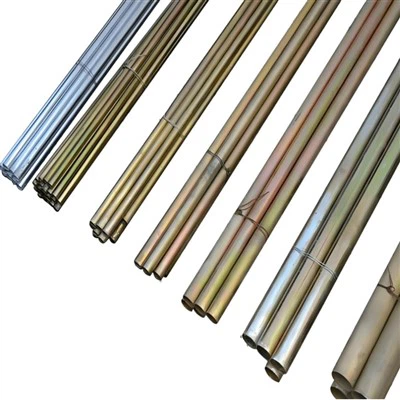
Hey there! I'm a supplier of Galvanized Steel Cable Tray, and I often get asked about the installation clearances for these bad boys. So, I thought I'd put together this blog post to share all the deets.
First off, let's talk about why installation clearances are so important. When you're installing a Galvanized Steel Cable Tray, you need to make sure there's enough space around it for a few key reasons. One, it allows for proper ventilation. Cables can generate heat, and if there's not enough room for that heat to dissipate, it can lead to overheating and potentially damage the cables. Two, it makes maintenance and repairs a whole lot easier. You don't want to be struggling to get to a cable or make a fix because there's no space to work. And three, it helps prevent any interference between different cables or other equipment in the area.
Now, let's get into the nitty - gritty of what those clearances should be.
Vertical Clearances
When it comes to vertical clearances, it really depends on the type of environment the cable tray is going to be installed in and the type of cables it'll be carrying. In general, you should have at least 6 inches of vertical clearance above the cable tray. This gives enough space for any heat to rise and escape, and it also allows for easy access if you need to add or remove cables from the top.
For areas where there's a risk of physical damage, like in a factory with moving machinery, you might want to increase that clearance to 12 inches or more. This extra space helps protect the cable tray from being hit by equipment or materials.
If you're installing the cable tray in a ceiling space, make sure there's enough room for the cables to bend and turn without being kinked. A good rule of thumb is to have at least 1.5 times the diameter of the largest cable as additional vertical clearance for each bend or turn.
Horizontal Clearances
Horizontal clearances are just as important as vertical ones. You should leave at least 3 inches of space between the cable tray and any walls, columns, or other structures. This gives you enough room to install and remove cables, and it also helps with ventilation.
If there are other cable trays or electrical equipment nearby, you'll need to increase that clearance. For adjacent cable trays, a minimum of 6 inches is recommended. This prevents any electromagnetic interference between the cables in different trays and also makes it easier to identify and work on individual cables.
When it comes to other electrical equipment like transformers or switchgear, you should leave a clearance of at least 12 inches. This helps prevent any heat transfer between the equipment and the cable tray, and it also reduces the risk of electrical arcing.
Clearances for Different Cable Types
Not all cables are created equal, and different types of cables have different clearance requirements.
For power cables, which typically carry high - voltage electricity, you'll need to be extra careful with clearances. These cables can generate a lot of heat, so make sure there's plenty of space around them. A minimum of 8 inches of vertical and horizontal clearance is a good starting point, but you might need more depending on the voltage and current capacity of the cables.
Communication cables, on the other hand, are more sensitive to interference. You should leave at least 4 inches of clearance between communication cables and power cables. This helps prevent any signal degradation due to electromagnetic interference.
Fiber optic cables are even more delicate. They need to be protected from physical damage and temperature changes. A clearance of at least 6 inches from any heat - generating equipment or sharp edges is recommended.
Special Considerations
There are a few special situations where you'll need to adjust the installation clearances.


If you're installing the cable tray in a wet or humid environment, you'll need to make sure there's enough space for the cables to dry out. Increase the vertical clearance to at least 8 inches to allow for better air circulation. You might also want to consider using a Weather - Resistant Cable Tray to protect the cables from moisture.
In a high - traffic area, like a hallway or a loading dock, you'll need to provide extra horizontal clearance. A minimum of 12 inches from any walkways is a good idea to prevent any accidental damage to the cable tray or the cables.
If you're using a Black Powder Coated Cable Tray, keep in mind that the coating can add a small amount of thickness to the tray. Make sure to account for this when measuring your clearances.
Maintenance and Inspection Clearances
Don't forget about clearances for maintenance and inspection. You should have enough space around the cable tray to allow for regular inspections. A minimum of 18 inches of clearance in front of the cable tray is recommended. This gives you enough room to access the cables, check for any signs of damage or wear, and make any necessary repairs.
If you need to use tools to work on the cables, like cable cutters or crimping tools, you'll need even more space. Make sure there's enough room to maneuver the tools without hitting the cable tray or other equipment.
Coating and Finish Impact on Clearances
The coating or finish on the Galvanized Steel Cable Tray can also have an impact on clearances. For example, if you're using an Industrial Enamel Paint for Metal, it can add a thin layer of protection but also a bit of thickness. This might not seem like much, but it could affect the clearances, especially in tight spaces. So, always double - check the specifications of the coating and factor it into your clearance calculations.
In conclusion, getting the installation clearances right for your Galvanized Steel Cable Tray is crucial for the safety and performance of your electrical system. By following these guidelines, you can ensure that your cables are well - protected, easy to maintain, and operate efficiently.
If you're in the market for Galvanized Steel Cable Tray or have any questions about installation clearances, I'd love to chat. Whether you're a contractor, an electrician, or a facility manager, I can provide you with the right products and advice to meet your needs. Just reach out, and we can start a conversation about your project.
References
- National Electrical Code (NEC)
- Electrical Installation Guidebooks
- Manufacturer's Specifications for Galvanized Steel Cable Trays