Hey there! As a supplier of Flexible Conduit Junction Boxes, I often get asked about the regulations for using these boxes in medical facilities. It's a super important topic, so I thought I'd dive into it and share all the details with you.
Let's start with why using the right flexible conduit junction box in a medical facility is a big deal. Medical facilities are unique places. They're filled with sensitive electronic equipment, like patient monitors, MRI machines, and surgical tools. These devices need to have a stable and safe electrical supply. Any electrical issues can not only disrupt the operation of these life - saving machines but also pose a serious risk to patients and medical staff.
The first major regulation involves the safety standards that these junction boxes must meet. In most countries, medical electrical systems are subject to strict national and international standards. In the United States, the National Electrical Code (NEC) has specific requirements for wiring and equipment in healthcare facilities. For example, Article 517 of the NEC focuses on medical premises. Junction boxes need to be non - combustible and have proper insulation to prevent electrical fires. This is crucial because a fire in a medical facility can be absolutely catastrophic.
Another key point is the protection against moisture and dust. Medical facilities, especially areas like operating rooms, laboratories, and patient bathrooms, can be exposed to moisture. In addition, dust can accumulate over time. The flexible conduit junction boxes used in these places should be designed to keep moisture and dust out. Look for boxes with an Ingress Protection (IP) rating. An IP rating consists of two numbers. The first number indicates the protection against solid objects, and the second number shows the protection against water. For a medical facility, you'd want a box with a high IP rating, such as IP65 or higher. This ensures that the box can withstand splashes of water and keep out dust particles, which can damage the electrical connections inside.
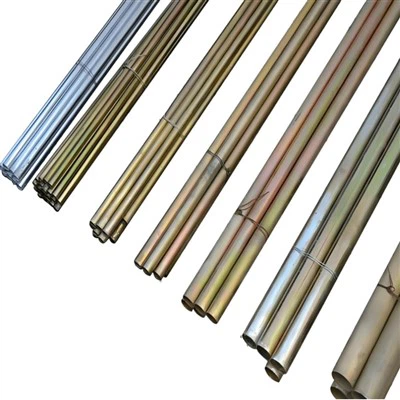
The construction of the flexible conduit itself is also regulated. The flexible conduit should be made of materials that are resistant to corrosion. Since medical facilities often use cleaning agents and disinfectants, these substances can be harsh on the conduit. Corroded conduits can lead to exposed wires, which are a major safety hazard. Some popular types of conduits that meet these requirements include the Compression Type Galvanized Thin - walled Wire Conduit. The galvanization process gives it excellent corrosion resistance, making it a great choice for medical settings.
Moreover, the flexible conduit junction box must be properly grounded. Grounding is a safety measure that helps to protect against electrical shocks. All electrical equipment in a medical facility should be grounded to ensure that any electrical faults are safely diverted to the ground. The junction box should have a proper grounding terminal, and the grounding conductor should be of the appropriate size and type as specified by the regulations.


When it comes to installation, there are also strict rules. The junction box should be installed in a way that it is easily accessible for maintenance and inspection. This means that it shouldn't be hidden behind walls or other structures where it's difficult to reach. In addition, the flexible conduit should be properly secured to the junction box. Loose connections can cause arcing, which is a potential fire hazard. Make sure to follow the manufacturer's instructions for installation carefully.
Another important consideration is electromagnetic interference (EMI). Medical equipment is highly sensitive to EMI. The flexible conduit junction box should have shielding properties to prevent EMI from affecting the operation of the medical devices. Some modern junction boxes are designed with special shielding materials to reduce EMI. This is especially important in areas where there are multiple electrical devices operating simultaneously, such as in a diagnostic imaging department.
Now, let's talk about specific conduit types and their regulations in medical facilities. The JDG Conduit is a popular choice. It's a thin - walled steel conduit that offers good mechanical protection. However, it still needs to comply with the same safety regulations as other conduits. It should be properly installed, grounded, and protected against moisture and corrosion.
The Galvanized Iron Round Pipe is also used in some medical facilities. It's known for its strength and durability. But again, it must meet all the electrical and safety standards. For example, it should have proper insulation and be installed in a manner that doesn't create any electrical hazards.
In addition to these technical regulations, there are also regulatory bodies that oversee the use of electrical equipment in medical facilities. In the European Union, the Medical Devices Directive (MDD) and the new Medical Devices Regulation (MDR) set out the requirements for medical devices, including the electrical components. In the United States, the Food and Drug Administration (FDA) regulates medical electrical equipment to ensure its safety and effectiveness.
It's really important for medical facility managers and electrical installers to stay updated on these regulations. Non - compliance can result in fines, legal issues, and more importantly, a risk to patient safety. That's why choosing a reliable supplier for your flexible conduit junction boxes is crucial.
As a supplier, I ensure that all our flexible conduit junction boxes meet or exceed the relevant regulations. We have a team of experts who are constantly monitoring the changes in the regulations and making sure our products are up - to - date. We also provide detailed installation instructions and after - sales support to help customers ensure that the boxes are installed and used correctly.
If you're in charge of a medical facility or involved in an electrical installation project in a medical setting, and you're looking for high - quality flexible conduit junction boxes, don't hesitate to reach out. We're here to help you find the right products that meet all the regulations and your specific needs. Let's have a chat about how we can work together to ensure the safety and functionality of your electrical systems in the medical facility.
References
- National Electrical Code (NEC) Article 517
- European Medical Devices Directive (MDD)
- European Medical Devices Regulation (MDR)
- US Food and Drug Administration (FDA) Guidelines for Medical Electrical Equipment