Hey there! As a supplier of heavy-duty electrical conduit, I often get asked about the special requirements for these conduits in hospitals. It's a crucial topic because hospitals rely heavily on a stable and safe electrical system to keep all their life - saving equipment running smoothly.
Why Hospitals Need Special Electrical Conduits
First off, hospitals are unique environments. They house sensitive medical equipment, from MRI machines to life - support systems. Any electrical malfunction can have life - threatening consequences. That's why the electrical conduits used in hospitals need to meet some pretty high - end standards.
One of the key requirements is fire resistance. In a hospital, a fire can spread quickly and cause chaos. Heavy - duty electrical conduits in hospitals must be able to withstand high temperatures for a certain period. This gives medical staff more time to evacuate patients and deal with the situation. For example, some conduits are made with materials that can prevent the spread of fire through the electrical wiring, reducing the risk of a major disaster.


Another important factor is electromagnetic interference (EMI) protection. Many medical devices are extremely sensitive to EMI. If the electrical conduits don't provide proper shielding, it can disrupt the normal operation of these devices. This could lead to inaccurate readings or even cause the devices to malfunction. So, heavy - duty conduits in hospitals are designed to minimize EMI and keep the medical equipment working correctly.
Types of Heavy - Duty Electrical Conduits Suitable for Hospitals
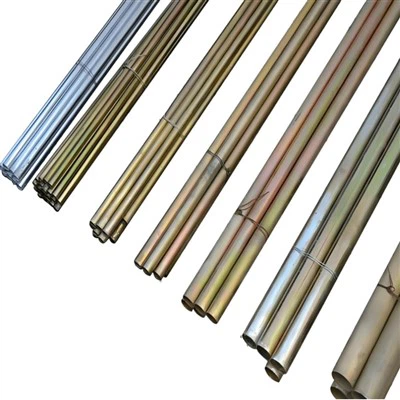
There are several types of heavy - duty electrical conduits that are commonly used in hospitals. One popular option is the Galvanized Iron Round Pipe. Galvanized iron pipes are known for their durability and corrosion resistance. In a hospital setting, where there may be exposure to moisture and various chemicals, this type of conduit can last a long time. It also provides good mechanical protection for the electrical wires inside.
Flexible conduits are also very useful in hospitals. The Flexible Conduit Junction Box is a great example. These conduits can be easily bent and routed around obstacles, which is very handy in a hospital where the layout can be complex. They are also good for areas where there may be some movement or vibration, as they can absorb these forces without damaging the electrical wiring.
Stainless steel is another material that is widely used in hospital electrical conduits. The Stainless Steel Liquid Tight Conduit is resistant to moisture, chemicals, and corrosion. It's perfect for areas in the hospital where there is a high risk of water or chemical exposure, such as operating rooms and laboratories.
Installation Requirements
Proper installation of heavy - duty electrical conduits in hospitals is just as important as the quality of the conduits themselves. The installation must comply with local electrical codes and standards. Electricians need to ensure that the conduits are securely fastened and that there are no sharp edges that could damage the wires.
In addition, the conduits should be installed in a way that allows for easy access for maintenance and repairs. In a hospital, it's crucial to minimize downtime of the electrical system. So, having easy access to the conduits can make it quicker and easier to fix any issues that may arise.
Maintenance and Inspection
Regular maintenance and inspection of the electrical conduits in hospitals are essential. Over time, conduits can deteriorate due to factors like wear and tear, exposure to the elements, and chemical reactions. Inspections should be carried out to check for any signs of damage, such as cracks, corrosion, or loose connections.
If any problems are found during the inspection, they should be addressed immediately. This could involve replacing damaged sections of the conduit or tightening loose connections. By keeping the electrical conduits in good condition, hospitals can ensure the safety and reliability of their electrical systems.
Cost Considerations
When it comes to choosing heavy - duty electrical conduits for hospitals, cost is always a factor. However, it's important not to sacrifice quality for the sake of saving money. The cost of a conduit includes not only the initial purchase price but also the cost of installation, maintenance, and potential repairs.
In the long run, investing in high - quality conduits can actually save money. High - quality conduits are less likely to break down, which means fewer repairs and less downtime. This is especially important in a hospital setting where every minute counts.
Conclusion
In conclusion, there are definitely special requirements for heavy - duty electrical conduits in hospitals. From fire resistance and EMI protection to proper installation and maintenance, every aspect needs to be carefully considered. As a supplier of heavy - duty electrical conduits, I understand the importance of providing products that meet these high standards.
If you're in the market for heavy - duty electrical conduits for a hospital project, I'd love to have a chat with you. We can discuss your specific needs and find the best solutions for your hospital's electrical system. Contact me to start the procurement discussion, and let's work together to ensure a safe and reliable electrical infrastructure in your hospital.
References
- National Electrical Code (NEC)
- Hospital Electrical System Standards and Guidelines
- Manufacturer's specifications for heavy - duty electrical conduits