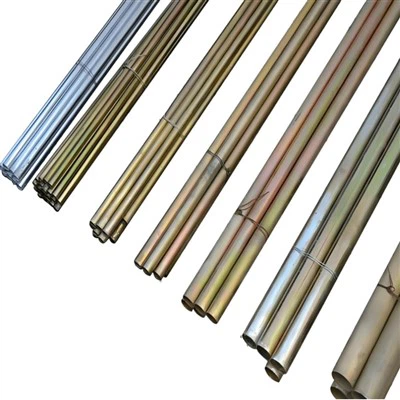
Hey there! As a supplier of ladder cable trays, I often get asked about the spacing between these nifty trays. So, I thought I'd take a deep dive into this topic and share everything you need to know.
First off, let's understand what ladder cable trays are. They're like the backbone for organizing and supporting cables in various settings, whether it's an industrial plant, a commercial building, or even a data center. Ladder cable trays have a unique design with two side rails connected by rungs, kind of like a ladder (hence the name). This design allows for good ventilation and easy access to the cables, which is super important for maintenance and cable management.
Now, let's talk about the spacing between ladder cable trays. The spacing isn't a one - size - fits - all deal. It depends on several factors, and getting it right is crucial for the safety and efficiency of your cable system.
Factors Affecting the Spacing
-
Cable Type and Quantity: Different cables have different heat dissipation requirements. For example, power cables tend to generate more heat compared to communication cables. If you have a large number of high - power cables in a tray, you'll need more space between trays to allow for proper heat dissipation. Otherwise, the cables can overheat, which can lead to reduced performance and even pose a fire hazard.
Let's say you're dealing with a bunch of thick power cables. You might need to space the trays further apart, maybe around 12 to 18 inches. On the other hand, if it's mostly low - voltage communication cables, you could get away with a smaller spacing, perhaps 6 to 10 inches. -
Installation Environment: The environment where the cable trays are installed plays a big role. In a hot and humid industrial environment, you'll want more space between trays to help with ventilation. This is because heat and moisture can build up quickly, and proper spacing allows for better air circulation.
In a clean, air - conditioned data center, the spacing requirements might be less strict. However, you still need to consider the future expansion of cables. It's always a good idea to leave some extra space in case you need to add more cables down the line. -
Access for Maintenance: You need to be able to access the cables easily for maintenance and repairs. If the trays are too close together, it can be a real pain to reach the cables, especially if you need to replace or add a cable. So, make sure there's enough space for technicians to work comfortably. A general rule of thumb is to leave at least enough space for a person's hand to reach in and manipulate the cables without too much hassle.
Recommended Spacing Guidelines
Based on industry standards and best practices, here are some general spacing guidelines:
- For General Use (Mixed Cables): A spacing of 8 to 12 inches between ladder cable trays is often recommended. This provides a good balance between heat dissipation, cable access, and efficient use of space.
- High - Power Cables: If you're dealing mainly with high - power cables, aim for a spacing of 12 to 18 inches. This extra space allows for better heat dissipation and reduces the risk of overheating.
- Low - Voltage Communication Cables: For these types of cables, a spacing of 6 to 10 inches is usually sufficient. Since they generate less heat, you can get away with a smaller gap between trays.
Our Product Range and Spacing Considerations
At our company, we offer a wide range of ladder cable trays to meet your specific needs. For example, we have the Black Powder Coated Cable Tray. This type of tray is not only durable but also has a nice finish that can withstand different environmental conditions. When using this tray, you'll want to consider the cable type and quantity as mentioned earlier to determine the appropriate spacing.

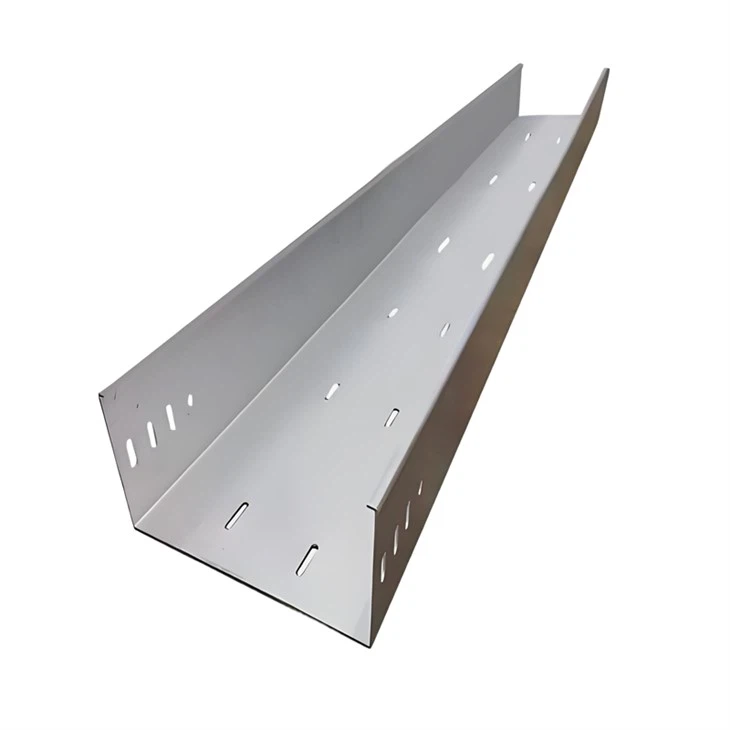
We also have the Solid Bottom Type Cable Tray. This tray is great for protecting cables from dust and debris. However, since it has a solid bottom, it can affect the ventilation. So, you might need to increase the spacing between these trays a bit more compared to regular ladder trays to ensure proper heat dissipation.
Another option is our Stainless Steel Wire Mesh Cable Tray. This tray has excellent ventilation properties due to its wire mesh design. You can often get away with a slightly smaller spacing when using this type of tray, especially for low - heat - generating cables.
Importance of Correct Spacing
Getting the spacing between ladder cable trays right is not just about following rules. It has real - world implications for the performance and safety of your cable system.
- Performance: Proper spacing ensures that the cables can operate at their optimal temperature. This means better signal transmission for communication cables and more efficient power delivery for power cables.
- Safety: As mentioned earlier, overheating cables can be a fire hazard. By providing adequate spacing, you reduce the risk of fires and other safety issues.
- Cost - Efficiency: Correct spacing can also save you money in the long run. It reduces the need for frequent cable replacements due to overheating and makes maintenance easier, which can save on labor costs.
How to Determine the Right Spacing for Your Project
If you're still unsure about the spacing for your specific project, here's what you can do:
- Consult with an Expert: Our team of experts is always ready to help. We can analyze your cable requirements, installation environment, and other factors to recommend the best spacing for your project.
- Review Local Codes and Standards: Different regions may have specific codes and standards regarding cable tray spacing. Make sure you're familiar with these and follow them to ensure compliance.
- Consider Future Expansion: Think about your future needs. If you anticipate adding more cables in the future, it's better to leave some extra space between the trays now.
Conclusion
In conclusion, the spacing between ladder cable trays is a crucial aspect of cable management. It depends on factors like cable type, quantity, installation environment, and access for maintenance. By following the recommended guidelines and considering the specific requirements of your project, you can ensure a safe, efficient, and cost - effective cable system.
If you're in the market for high - quality ladder cable trays and need advice on spacing or any other aspect of cable management, don't hesitate to reach out. We're here to help you make the right choices for your project.
References
- Electrical Installation Handbook, Schneider Electric
- National Electrical Code (NEC)