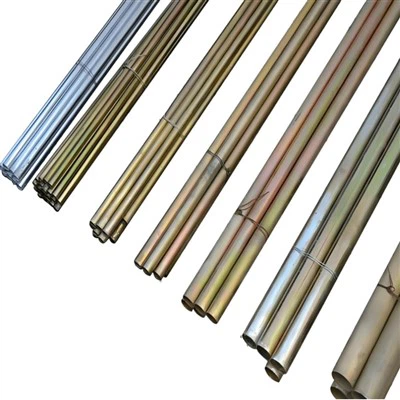
Embedded metal conduit is a crucial component in electrical wiring systems, known for its durability and protection capabilities. One of the key aspects that often concerns end - users and installers is its water - tightness properties. As a leading supplier of embedded metal conduit, I will delve into the details of these properties, presenting their influencing factors, testing methods, and practical applications.
Understanding Water - tightness in Embedded Metal Conduit
Water - tightness refers to the ability of the embedded metal conduit to prevent the ingress of water or moisture. In electrical systems, water can damage wires, cause short - circuits, and lead to safety hazards. Therefore, high - quality water - tightness is essential for the long - term performance and safety of the wiring.
The body of our embedded metal conduit is typically made of high - grade metals such as galvanized steel or stainless steel. These materials have inherent corrosion - resistant properties. Galvanized steel is coated with a layer of zinc, which acts as a protective barrier against rust and corrosion. Stainless steel, on the other hand, contains chromium, which forms a passive oxide layer that protects the metal from oxidation and water damage.
Factors Affecting Water - tightness
Material Quality
The quality of the metal used in the conduit is fundamental. Inferior metals may have pores or inclusions that can allow water to seep through. Our company ensures that only top - grade metals are used in the production of our embedded metal conduits. We source our materials from trusted suppliers and conduct strict quality control checks to guarantee that the metal meets the highest industry standards.
Sealing Mechanisms
Proper sealing at joints, connectors, and entry points is crucial for maintaining water - tightness. Our embedded metal conduits are equipped with innovative sealing technologies. For example, we use gaskets made of high - performance rubber materials. These gaskets are designed to fit snugly around the joints, creating a tight seal that prevents water from entering. Additionally, our connectors are engineered to provide a secure and watertight connection, reducing the risk of water ingress.
Installation Quality
Even the best - designed conduit can fail to be water - tight if not installed correctly. Improper installation, such as loose connections or damaged gaskets, can compromise the water - tightness of the system. Our company provides comprehensive installation guidelines to ensure that our customers can install the conduit correctly. We also offer training services for installers to help them understand the importance of proper installation and how to achieve optimal water - tightness.
Testing Methods for Water - tightness
To ensure the water - tightness of our embedded metal conduits, we employ a variety of testing methods.
Hydrostatic Testing
Hydrostatic testing involves applying water pressure to the conduit to simulate real - world conditions. The conduit is filled with water, and pressure is gradually increased to a specified level. We then monitor the conduit for any signs of water leakage. This test helps us to identify any weak points in the conduit and ensure that it can withstand the expected water pressure in different applications.
Immersion Testing
In immersion testing, the conduit is completely immersed in water for a certain period. After the immersion, we inspect the interior of the conduit for any signs of water ingress. This test provides a more comprehensive assessment of the conduit's water - tightness, as it simulates long - term exposure to water.
Practical Applications and the Importance of Water - tightness
Embedded metal conduits with excellent water - tightness properties are widely used in various applications.
Outdoor Installations
In outdoor electrical systems, such as street lighting or outdoor signage, the conduit is exposed to rain, snow, and other environmental elements. Our Outdoor Flexible Non - metallic Conduit is designed to withstand these harsh conditions. The high - quality water - tightness of our embedded metal conduits ensures that the electrical wires inside are protected from water damage, reducing the need for frequent maintenance and replacement.
Underground Installations
Underground electrical wiring requires conduits with superior water - tightness. Water can easily seep into the ground and reach the conduit. Our embedded metal conduits are suitable for underground applications, as they can prevent water from entering and damaging the wires. This is especially important in areas with high water tables or frequent flooding.
Hazardous Environments
In hazardous environments, such as chemical plants or food processing facilities, the presence of water can be even more dangerous. Water can react with chemicals or contaminate food products. Our Plenum - Rated Conduit is designed to meet the strict requirements of these environments. The water - tightness of our conduits helps to prevent water - related accidents and ensure the safety of the workers and the integrity of the products.
Comparison with Other Types of Conduits
When compared with other types of conduits, such as PVC or flexible plastic conduits, embedded metal conduits have distinct advantages in terms of water - tightness.
PVC conduits are more prone to cracking and joint failures, which can lead to water ingress. Flexible plastic conduits may not be as durable as metal conduits and can be easily damaged by sharp objects or environmental factors. In contrast, our embedded metal conduits offer superior strength and water - tightness, making them a more reliable choice for long - term use.
Maintenance and Long - term Performance
To maintain the water - tightness of our embedded metal conduits over time, regular inspections are recommended. Inspect the joints, connectors, and gaskets for any signs of wear or damage. Replace any damaged parts immediately to ensure that the conduit remains water - tight.
Our Bonding Flexible Metal Conduit is designed for easy maintenance. The flexible nature of the conduit allows for easy access during inspections and repairs.
Conclusion
The water - tightness properties of embedded metal conduits are of utmost importance in ensuring the safety and reliability of electrical wiring systems. As a supplier, we are committed to providing high - quality conduits that meet the stringent requirements of different applications. Our focus on material quality, sealing mechanisms, and installation guidelines ensures that our embedded metal conduits offer excellent water - tightness.


If you are in the market for embedded metal conduits with superior water - tightness, I invite you to contact us for a detailed discussion. We can provide you with technical specifications, product samples, and competitive pricing. Let's work together to find the best solution for your electrical wiring needs.
References
- National Electrical Code (NEC)
- International Electrotechnical Commission (IEC) standards
- Industry research reports on electrical conduits