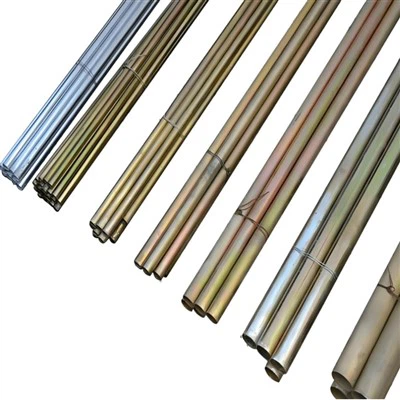
As a supplier of Plenum - Rated Conduit, I've witnessed firsthand the critical role that proper installation plays in the efficiency and safety of data centers. Plenum - rated conduit is designed for use in plenum spaces, which are areas used for air circulation in buildings, including data centers. These spaces require special consideration due to fire safety regulations and the need to maintain air quality. In this blog, I'll share some of the best practices for installing plenum - rated conduit in data centers.
Understanding Plenum - Rated Conduit
Before delving into installation practices, it's essential to understand what plenum - rated conduit is. Plenum - rated conduit is constructed with materials that have low smoke and flame spread characteristics. This is crucial in data centers, where a fire could cause significant damage to equipment and disrupt operations. The National Electrical Code (NEC) and other building codes mandate the use of plenum - rated materials in plenum spaces to prevent the spread of fire and toxic smoke.
Planning the Installation
Site Assessment
The first step in a successful installation is a thorough site assessment. This involves identifying the plenum spaces in the data center, understanding the layout of the existing infrastructure, and determining the best routes for the conduit. Consider factors such as the location of servers, networking equipment, and power sources. It's also important to note any potential obstacles, such as structural beams or ventilation ducts, that could affect the installation.
Conduit Sizing
Proper conduit sizing is crucial to ensure that cables can be easily pulled through and to prevent overcrowding. The size of the conduit should be based on the number and size of the cables that will be installed. As a general rule, the cross - sectional area of the cables should not exceed 40% of the cross - sectional area of the conduit. This allows for adequate space for cable movement and heat dissipation.
Designing the Route
When designing the route for the conduit, aim for the shortest and most direct path possible. Minimize the number of bends and turns, as these can increase the difficulty of pulling cables and may cause damage to the cables. Use conduit benders to create smooth bends with a radius that meets the manufacturer's specifications. If multiple conduits are being installed, arrange them in an organized manner to facilitate future maintenance and expansion.
Installation Process
Mounting the Conduit
The conduit should be securely mounted to the structure of the data center. Use appropriate mounting hardware, such as straps or brackets, to ensure that the conduit is held in place. The spacing between the mounting points should be in accordance with the manufacturer's recommendations. For horizontal runs, the mounting points should be close enough to prevent sagging, while for vertical runs, they should be spaced to support the weight of the conduit and the cables.
Connecting the Conduit
When connecting sections of conduit, use approved connectors. These connectors should provide a secure and watertight connection. Make sure that the ends of the conduit are clean and free of debris before making the connection. For threaded connections, use thread sealant to prevent moisture and dust from entering the conduit. In some cases, compression - type connectors may be used, such as the Compression Type Galvanized Thin - walled Wire Conduit, which offer a quick and reliable connection method.
Pulling the Cables
Before pulling the cables, lubricate the inside of the conduit to reduce friction. Use a cable pulling machine or a manual pulling method, depending on the length and weight of the cables. When pulling the cables, ensure that they are not kinked or damaged. Use cable pulling grips to attach the cables to the pulling device, and make sure that the pulling force is evenly distributed across the cables.
Firestopping
Importance of Firestopping
Firestopping is a critical aspect of plenum - rated conduit installation in data centers. It helps to prevent the spread of fire and smoke through the conduit penetrations in fire - rated walls and floors. Firestopping materials should be installed in accordance with the manufacturer's instructions and relevant building codes.
Types of Firestopping Materials
There are several types of firestopping materials available, including fire - rated caulk, fire - rated putty pads, and fire - rated sleeves. The choice of firestopping material depends on the type of penetration and the fire - rating requirements. For example, a fire - rated sleeve may be used for larger penetrations, while fire - rated caulk can be used for smaller gaps.
Installation of Firestopping
When installing firestopping materials, make sure that the area is clean and dry. Apply the firestopping material evenly around the conduit, filling any gaps or voids. Ensure that the firestopping material extends beyond the penetration by the required distance, as specified by the building code.
Testing and Inspection
Electrical Testing
After the installation is complete, conduct electrical testing to ensure that the cables are functioning properly. This includes testing for continuity, insulation resistance, and signal integrity. Use appropriate testing equipment, such as multimeters and cable testers, to perform these tests.


Visual Inspection
A visual inspection of the conduit installation is also essential. Check for any signs of damage to the conduit, such as cracks or dents. Ensure that the conduit is properly mounted, connected, and firestopped. Look for any loose or exposed cables, and make sure that all connections are secure.
Maintenance
Regular Checks
Regular maintenance is necessary to ensure the long - term performance of the plenum - rated conduit. Conduct periodic checks to inspect the condition of the conduit, cables, and firestopping materials. Look for signs of wear, damage, or corrosion. Replace any damaged components immediately.
Upgrades and Expansion
As the data center grows and evolves, there may be a need for upgrades and expansion. When making changes to the conduit system, follow the same installation best practices. Ensure that any new conduit is properly integrated with the existing system and that all firestopping requirements are met.
Different Types of Conduit for Data Centers
In addition to plenum - rated conduit, there are other types of conduit that may be used in data centers. For example, Surface Mounted Metal Conduit can be used for exposed runs in non - plenum areas. It provides a durable and aesthetically pleasing solution for cable management. Another option is JDG Conduit, which is a type of galvanized steel conduit that is commonly used in electrical installations.
Conclusion
Installing plenum - rated conduit in data centers requires careful planning, proper installation techniques, and regular maintenance. By following these best practices, you can ensure the safety, reliability, and efficiency of your data center's electrical infrastructure. As a supplier of Plenum - Rated Conduit, we are committed to providing high - quality products and support to help you achieve a successful installation. If you are planning a data center project or need to upgrade your existing infrastructure, we invite you to contact us for more information and to discuss your specific requirements. Our team of experts is ready to assist you in selecting the right conduit and ensuring a smooth installation process.
References
- National Electrical Code (NEC)
- Manufacturer's installation guides for plenum - rated conduit
- Building codes and regulations related to data center construction and electrical installations