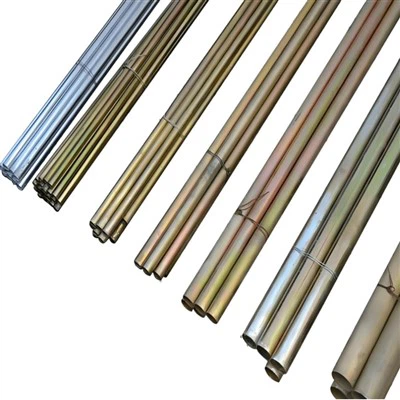
When it comes to electrical installations, KBG Conduit is a name that often surfaces. As a dedicated KBG Conduit supplier, I've encountered numerous inquiries about its various aspects, and one question that frequently comes up is, "What is the color of KBG Conduit?" In this blog post, I'll delve into the colors of KBG Conduit, the factors influencing them, and how these colors can impact your electrical projects.
Understanding KBG Conduit
Before we discuss the colors, let's briefly understand what KBG Conduit is. KBG Conduit, also known as Socket Type Tight - fitting Galvanized Steel Conduit Socket Type Tight-fitting Galvanized Steel Conduit, is a popular choice in electrical wiring systems. It is made of high - quality galvanized steel, which provides excellent protection for electrical wires from mechanical damage, moisture, and corrosion. Its tight - fitting socket design makes it easy to install and ensures a secure connection, reducing the risk of wire exposure and electrical hazards.
The Natural Color of KBG Conduit
The natural color of KBG Conduit is typically a silver - gray hue. This color is a result of the galvanization process. Galvanization involves coating the steel conduit with a layer of zinc. Zinc has a characteristic metallic luster that gives the conduit its silver - gray appearance. This natural color is not only aesthetically pleasing but also serves a practical purpose. The zinc coating acts as a sacrificial anode, protecting the underlying steel from rust and corrosion. In environments where the conduit is exposed to moisture or mild chemicals, this natural galvanized color indicates the presence of a protective layer that can extend the lifespan of the conduit.
Custom - Colored KBG Conduit
While the silver - gray color is the standard, there are situations where custom - colored KBG Conduit is required. For instance, in some commercial or residential buildings, the conduit needs to blend in with the interior or exterior design. In such cases, powder - coating is a popular option. Powder - coated Wire Conduit can be produced in a wide range of colors, from basic white and black to more vibrant colors like red, blue, and green.
Powder coating is a process where a dry powder is electrostatically applied to the surface of the conduit and then cured under heat. This creates a durable and uniform finish. The advantage of powder - coated KBG Conduit is that it not only provides a custom color but also an additional layer of protection against scratches and abrasions. It can withstand harsh environmental conditions and maintain its color for a long time.
Color and Functionality
The color of KBG Conduit can also have an impact on its functionality in certain applications. For example, in outdoor settings, a darker - colored conduit may absorb more heat from sunlight compared to a lighter - colored one. This can be a concern in areas with high temperatures, as excessive heat can affect the performance of the electrical wires inside the conduit. In such cases, a lighter - colored or white powder - coated conduit may be a better choice as it reflects more sunlight and helps keep the internal temperature of the conduit lower.
On the other hand, in some industrial environments where visibility is crucial, a brightly colored conduit can be used to mark specific electrical circuits or to indicate safety zones. For example, a red - colored conduit may be used to mark high - voltage circuits, making it easier for maintenance personnel to identify and handle them safely.
Outdoor Considerations
When it comes to outdoor use, Outdoor Flexible Non - metallic Conduit is also an option, but KBG Conduit still has its advantages. In outdoor settings, the color of the KBG Conduit can affect its resistance to UV radiation. A well - applied powder - coated finish can provide better UV protection compared to the natural galvanized color. Darker colors may be more prone to fading under prolonged sun exposure, so choosing a light - colored or UV - resistant powder - coated finish can help maintain the appearance and integrity of the conduit over time.
Color and Installation
The color of the KBG Conduit can also influence the installation process. In some cases, a custom - colored conduit may require special handling to avoid scratching or damaging the finish. Installers need to be more careful when cutting, bending, and connecting the conduit to ensure that the color coating remains intact. Additionally, in projects where multiple colors of conduit are used to distinguish different circuits, proper labeling and organization are essential to avoid confusion during installation and future maintenance.


Choosing the Right Color for Your Project
When selecting the color of KBG Conduit for your project, several factors should be considered. First, think about the environment where the conduit will be installed. If it's an indoor environment with a specific design theme, choose a color that complements the overall aesthetics. For outdoor applications, consider the climate and the level of UV exposure. If functionality is a priority, such as marking circuits or reducing heat absorption, select a color that meets those requirements.
Conclusion
In conclusion, the color of KBG Conduit is not just a matter of aesthetics but also has practical implications for its performance, durability, and safety. Whether you opt for the natural silver - gray galvanized color or a custom - powder - coated color, understanding the characteristics and benefits of each option is crucial for a successful electrical project.
As a KBG Conduit supplier, I'm committed to providing high - quality products in a variety of colors to meet your specific needs. If you're in the process of planning an electrical project and need to discuss the best color options for your KBG Conduit, I encourage you to reach out. Our team of experts is ready to assist you in making the right choice and ensuring that your project is completed safely and efficiently. Contact us today to start the procurement discussion and take the first step towards a successful electrical installation.
References
- Electrical Conduit Handbook: A Comprehensive Guide to Conduit Selection and Installation
- Galvanizing Technology and Its Applications in the Electrical Industry
- Powder Coating: Principles and Practices for Industrial Finishing