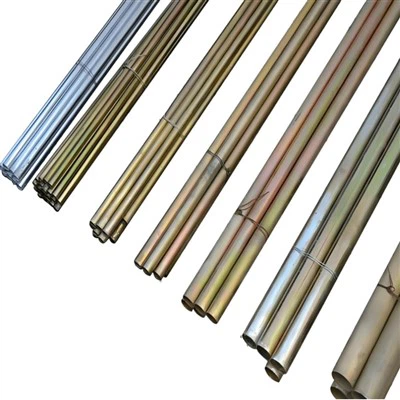
As a JDG Conduit supplier, I've had numerous conversations with electricians, contractors, and DIY enthusiasts about the ease of learning to work with JDG Conduit. This exploration is not just theoretical; it's based on real - world experiences and feedback from those who have used our products. In this blog, I'll delve into the factors that influence the learning curve of JDG Conduit and share insights to help you determine if it's an easy option for your projects.
Understanding JDG Conduit
Let's start with the basics. JDG Conduit, also known as Galvanized Steel Conduit, is a popular choice in electrical installations. It provides a protective pathway for electrical wires, safeguarding them from physical damage, moisture, and other environmental factors. The galvanized coating on JDG Conduit offers corrosion resistance, making it suitable for a wide range of indoor and outdoor applications.
Advantages That Facilitate Learning
One of the primary reasons JDG Conduit is considered relatively easy to learn is its simplicity in installation. Unlike some other types of conduits that may require complex joining methods or specialized tools, JDG Conduit can be installed using common hand tools. For instance, basic tools like a hacksaw, a conduit bender, and a screwdriver are often sufficient for most installation tasks. This means that even those with limited experience in electrical work can quickly get the hang of working with JDG Conduit.
Another advantage is the availability of standardized fittings. JDG Conduit comes with a wide variety of pre - made fittings, such as elbows, couplings, and connectors. These fittings are designed to fit together seamlessly, allowing for quick and accurate installation. The standardization also means that there is less room for error, as the fittings are engineered to work specifically with JDG Conduit. This predictability simplifies the learning process, as installers can focus more on the overall installation process rather than worrying about compatibility issues.
Learning the Bending Process
Bending JDG Conduit is a crucial skill for anyone working with it. While it may seem daunting at first, with a bit of practice, it becomes quite manageable. There are different types of conduit benders available, ranging from manual to hydraulic. Manual benders are more suitable for small - scale projects and are relatively easy to operate. They work by applying physical force to bend the conduit at the desired angle.
When learning to bend JDG Conduit, it's important to understand the concept of "take - up." Take - up refers to the amount of conduit that is used up in the bending process. Different bending angles have different take - up values. For example, a 90 - degree bend will have a specific take - up measurement. By calculating the take - up correctly, installers can ensure that the conduit is cut to the right length before bending. This precision is essential for a neat and accurate installation.
Overcoming Challenges
Of course, working with JDG Conduit is not without its challenges. One of the main difficulties that beginners may face is ensuring proper grounding. Grounding is essential for electrical safety, as it provides a path for electrical current to flow in case of a fault. When installing JDG Conduit, it's important to make sure that all sections of the conduit are properly bonded together. This may involve using grounding bushings and bonding jumpers. However, with the right guidance and a basic understanding of electrical grounding principles, this challenge can be easily overcome.
Another challenge is dealing with tight spaces. In some installations, the conduit may need to be routed through narrow or confined areas. This requires careful planning and precise bending to ensure that the conduit fits properly without causing any damage to the wires inside. However, with practice, installers can develop the skills needed to navigate these tight spaces effectively.
Comparing with Other Types of Conduits
To better understand the ease of learning JDG Conduit, it's helpful to compare it with other types of conduits. For example, Bonding Flexible Metal Conduit offers flexibility but may require more complex grounding methods due to its flexible nature. On the other hand, Stainless Steel Liquid Tight Conduit is known for its high - level of protection against moisture and liquids but may be more difficult to bend compared to JDG Conduit. Plenum - Rated Conduit is designed for use in plenum spaces and has specific fire - and smoke - rated requirements, which can add an extra layer of complexity to the installation process.
In comparison, JDG Conduit strikes a good balance between ease of installation and functionality. Its relatively straightforward installation process and wide range of applications make it a great choice for those looking to learn about conduit installation.


Training and Resources
For those who are new to working with JDG Conduit, there are many resources available to help with the learning process. Many manufacturers, including our company, offer training materials such as installation guides, video tutorials, and online support. These resources can provide step - by - step instructions on how to install JDG Conduit correctly, as well as tips and tricks for overcoming common challenges.
In addition, there are also trade schools and vocational training programs that offer courses in electrical installation, which often include training on working with JDG Conduit. These programs provide hands - on experience and guidance from experienced instructors, which can significantly accelerate the learning process.
Conclusion
In conclusion, JDG Conduit is generally easy to learn, especially for those with a basic understanding of electrical work. Its simplicity in installation, availability of standardized fittings, and the ability to use common tools make it an accessible option for both professionals and DIY enthusiasts. While there are some challenges, such as proper grounding and bending in tight spaces, these can be overcome with practice and the right resources.
If you're considering using JDG Conduit for your next project, I encourage you to reach out to us. As a JDG Conduit supplier, we have the expertise and the products to support your installation needs. Whether you're a seasoned professional or just starting out, we're here to help you make the most of JDG Conduit. Feel free to contact us to discuss your project requirements and to get a quote. Our team is ready to assist you every step of the way.
References
- Electrical Installation Manuals from Industry Standards Organizations
- Manufacturer's Installation Guides for JDG Conduit
- Trade School Curriculum on Electrical Conduit Installation