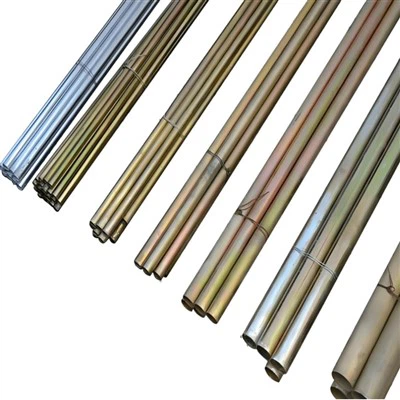
Hey there! As a supplier of heavy duty rigid PVC conduit, I often get asked about the differences in installation between heavy duty rigid PVC conduit and flexible PVC conduit. So, I thought I'd share my insights on this topic in today's blog post.
First off, let's talk about what heavy duty rigid PVC conduit and flexible PVC conduit are. Heavy duty rigid PVC conduit is a type of piping made from polyvinyl chloride (PVC) that's designed to be strong and durable. It's commonly used in electrical installations to protect wires and cables from damage. On the other hand, flexible PVC conduit is also made from PVC, but it's more bendable and can be easily shaped to fit around obstacles. It's often used in areas where a rigid conduit would be difficult to install.
Installation Process
One of the biggest differences between heavy duty rigid PVC conduit and flexible PVC conduit is the installation process. Heavy duty rigid PVC conduit typically requires more planning and preparation before installation. You'll need to measure and cut the conduit to the correct length, and then use special tools to connect the pieces together. This usually involves using solvent cement to bond the joints, which can take some time to dry.
In contrast, flexible PVC conduit is much easier to install. It can be bent and shaped on-site without the need for special tools. You can simply cut the conduit to the desired length and use connectors to join the pieces together. This makes it a great option for DIY projects or installations where time is of the essence.


Flexibility and Adaptability
Another key difference between the two types of conduit is their flexibility and adaptability. Heavy duty rigid PVC conduit is, as the name suggests, rigid. This means it's not very flexible and can't be easily bent or shaped. While this can be a disadvantage in some situations, it also makes the conduit more stable and less likely to move or shift over time.
Flexible PVC conduit, on the other hand, is extremely flexible and can be easily bent and shaped to fit around obstacles. This makes it a great option for installations where the conduit needs to follow a curved or irregular path. However, because it's more flexible, it may not be as stable as rigid conduit and may require additional support in some cases.
Durability and Strength
When it comes to durability and strength, heavy duty rigid PVC conduit has the edge. It's designed to withstand harsh environments and is resistant to corrosion, chemicals, and UV rays. This makes it a great option for outdoor installations or areas where the conduit may be exposed to moisture or other elements.
Flexible PVC conduit is also durable, but it may not be as strong as rigid conduit. It's more prone to damage from sharp objects or excessive bending, which can weaken the conduit over time. However, if installed correctly and protected from damage, flexible PVC conduit can still provide reliable performance for many years.
Cost
Cost is another factor to consider when choosing between heavy duty rigid PVC conduit and flexible PVC conduit. Generally speaking, heavy duty rigid PVC conduit is more expensive than flexible PVC conduit. This is because it's made from thicker, more durable materials and requires more specialized installation techniques.
However, the cost difference may not be significant in all cases. If you're working on a small project or don't need a large amount of conduit, the cost difference may be negligible. On the other hand, if you're working on a large-scale installation, the cost savings of using flexible PVC conduit may be substantial.
Applications
Both heavy duty rigid PVC conduit and flexible PVC conduit have a wide range of applications. Heavy duty rigid PVC conduit is commonly used in commercial and industrial settings, such as factories, warehouses, and office buildings. It's also used in outdoor installations, such as underground wiring or exposed wiring on the exterior of buildings.
Flexible PVC conduit is often used in residential settings, such as homes and apartments. It's also used in applications where the conduit needs to be flexible, such as in automotive wiring or in areas where the conduit needs to be moved or adjusted frequently.
Conclusion
In conclusion, there are several differences in installation between heavy duty rigid PVC conduit and flexible PVC conduit. Heavy duty rigid PVC conduit is more durable and strong, but it requires more planning and preparation before installation. Flexible PVC conduit is easier to install and more flexible, but it may not be as strong or durable as rigid conduit.
When choosing between the two types of conduit, it's important to consider your specific needs and requirements. If you're working on a large-scale commercial or industrial installation, heavy duty rigid PVC conduit may be the best option. If you're working on a small residential project or need a conduit that's flexible and easy to install, flexible PVC conduit may be the way to go.
If you're interested in purchasing heavy duty rigid PVC conduit or have any questions about installation or applications, please don't hesitate to contact me. I'd be happy to help you find the right solution for your project.
References
- National Electrical Code (NEC)
- PVC Conduit Installation Guide
- Electrical Installation Handbook