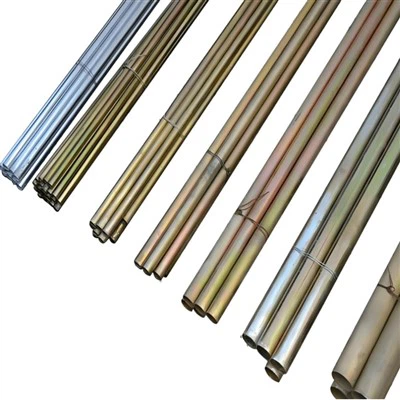
Installing heavy duty rigid PVC conduit in a mezzanine floor is a task that requires careful planning and execution. As a heavy duty rigid PVC conduit supplier, I've seen firsthand how a proper installation can make a huge difference in the safety and functionality of an electrical system. In this blog post, I'll walk you through the process step by step, sharing some tips and tricks along the way.
Step 1: Planning Your Installation
Before you start cutting and fitting your PVC conduit, you need to have a clear plan in place. First off, figure out where you want to run the conduit. Consider the location of electrical outlets, switches, and any other fixtures you'll be connecting to. You'll also want to think about any obstacles in the way, like support beams or plumbing pipes.
Measure the length of conduit you'll need for each section of your run. It's always a good idea to add a little extra length to account for any mistakes or adjustments you might need to make. Make a detailed sketch of your planned installation, noting down all the measurements and the locations of bends, couplings, and other fittings.
Step 2: Gathering Your Tools and Materials
Once you have your plan, it's time to gather the tools and materials you'll need. Here's a list of the essentials:
- Heavy duty rigid PVC conduit: Make sure you choose the right size and thickness for your project. We offer a wide range of options to meet your specific needs.
- PVC conduit fittings: These include couplings, elbows, tees, and bushings. You'll need different types depending on your installation layout.
- PVC cement: This is used to bond the conduit and fittings together. Make sure to get a high-quality cement that's designed for PVC.
- Measuring tape: For taking accurate measurements.
- Hacksaw or PVC cutter: To cut the conduit to the right length.
- Deburring tool: This helps to smooth the edges of the cut conduit.
- Drill and drill bits: If you need to make holes for the conduit to pass through walls or floors.
- Screwdriver and screws: For attaching the conduit to supports.
Step 3: Cutting the Conduit
Now it's time to cut the conduit to length. Use a hacksaw or a PVC cutter for a clean, straight cut. If you're using a hacksaw, make sure to use a fine-tooth blade to avoid rough edges. After cutting, use a deburring tool to smooth out the inside and outside edges of the cut. This will prevent any sharp edges from damaging the electrical wires inside the conduit.
Step 4: Bending the Conduit (if needed)
In some cases, you'll need to bend the conduit to fit around obstacles or to follow a specific path. You can use a PVC conduit bender to make smooth, accurate bends. Heat the area where you want to bend the conduit using a heat gun or a torch. Be careful not to overheat the PVC, as this can cause it to warp or melt. Once the PVC is soft enough, carefully bend it to the desired angle using the bender.
Step 5: Assembling the Conduit and Fittings
Apply a thin layer of PVC cement to the outside of the conduit and the inside of the fitting. Make sure to cover the entire surface evenly. Then, quickly insert the conduit into the fitting and twist it a quarter turn to ensure a good bond. Hold the conduit and fitting together for a few seconds to allow the cement to set. Repeat this process for all the connections in your installation.
Step 6: Installing the Conduit in the Mezzanine Floor
Now that your conduit is assembled, it's time to install it in the mezzanine floor. Use supports to hold the conduit in place. You can use straps, hangers, or brackets depending on the location and the weight of the conduit. Make sure the supports are securely attached to the floor or the structure of the mezzanine.
If you need to pass the conduit through walls or floors, drill holes of the appropriate size. Make sure to seal the holes around the conduit with a suitable sealant to prevent moisture and dust from entering.


Step 7: Pulling the Wires
Once the conduit is installed, you can start pulling the electrical wires through it. Use a fish tape or a wire pulling lubricant to make the process easier. Make sure the wires are properly insulated and rated for the electrical load they'll be carrying.
Step 8: Testing the Electrical System
After the wires are installed, it's important to test the electrical system to make sure everything is working properly. Use a voltage tester to check for the presence of electricity at the outlets, switches, and other fixtures. If you encounter any problems, double-check your connections and make sure the conduit is properly grounded.
Tips and Tricks
- When working with PVC conduit, it's a good idea to wear gloves to protect your hands from the sharp edges and the PVC cement.
- Make sure to work in a well-ventilated area when using PVC cement, as the fumes can be harmful.
- If you're not sure about any part of the installation process, don't hesitate to consult a professional electrician.
Alternative Conduit Options
While heavy duty rigid PVC conduit is a great choice for many applications, there are other options available depending on your specific needs. For example, Stainless Steel Liquid Tight Conduit is a good option if you need a conduit that can withstand harsh environments and provide protection against moisture and liquids. Outdoor Flexible Non-metallic Conduit is ideal for outdoor applications where flexibility is required. And if you need a more durable and rigid option, Galvanized Rigid Metal Conduit might be the way to go.
Conclusion
Installing heavy duty rigid PVC conduit in a mezzanine floor is a manageable project if you follow the right steps and use the proper tools and materials. As a heavy duty rigid PVC conduit supplier, I'm here to help you with all your conduit needs. Whether you have questions about the installation process or need advice on choosing the right conduit for your project, don't hesitate to reach out. We can provide you with high-quality products and expert guidance to ensure your installation is a success. If you're interested in purchasing heavy duty rigid PVC conduit or any of our other products, feel free to contact us to discuss your requirements and get a quote.
References
- National Electrical Code (NEC)
- PVC Conduit Installation Guide by the manufacturer