

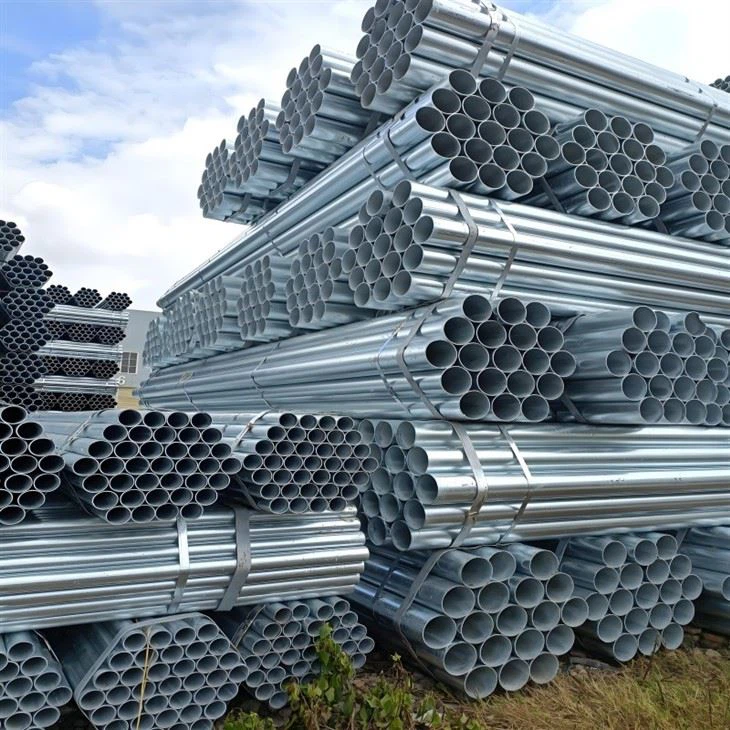

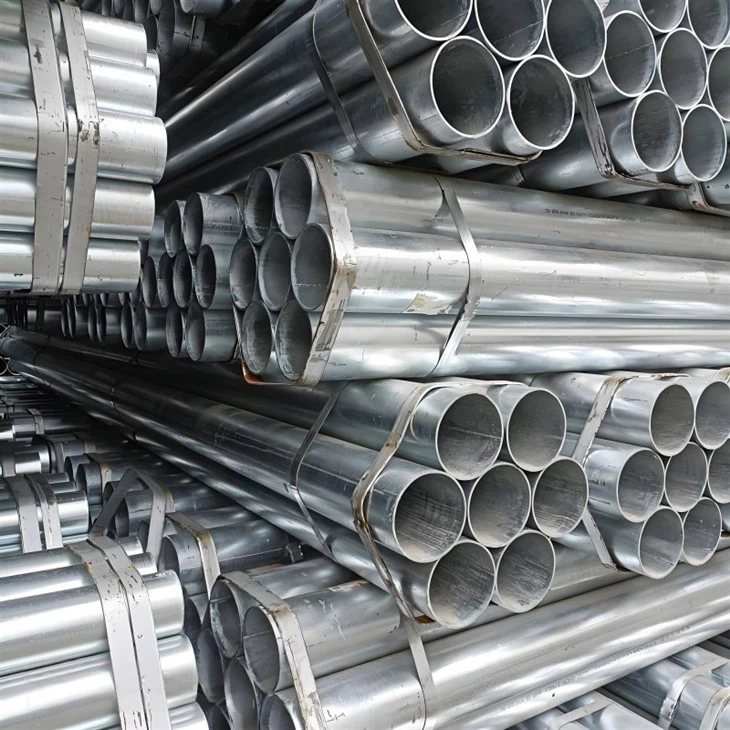

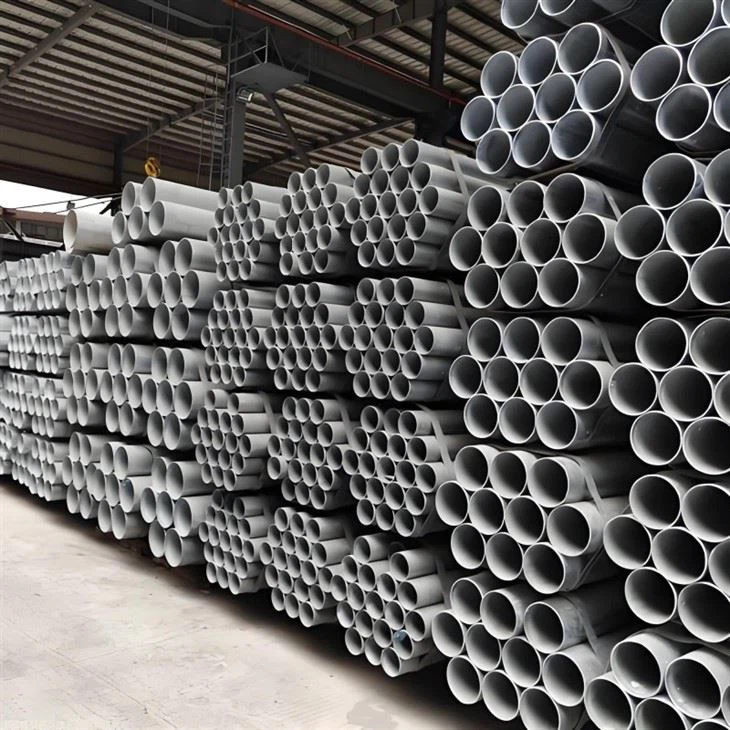


Thick-walled steel pipes are a type of metal pipes with relatively large wall thickness (usually the ratio of wall thickness to pipe diameter is higher than that of ordinary steel pipes), with significant characteristics in various aspects:
Extremely high structural strength: Due to their thick walls, they can withstand huge pressure, tension and impact force. They can operate stably in high-pressure pipeline systems (such as hydraulic pipelines and steam pipelines) and are not easy to deform or crack even when encountering external mechanical collisions, making them suitable for scenarios with strict requirements on load-bearing and pressure resistance.
Outstanding durability: They are mostly made of high-quality carbon steel, alloy structural steel, etc. After heat treatment, they have excellent mechanical properties, strong wear resistance and fatigue resistance. They are not easy to be damaged due to repeated stress during long-term use, and their service life is much longer than that of thin-walled pipes, especially suitable for high-frequency use environments such as industrial circulation systems.
Adaptable to extreme environments: Their corrosion resistance can be enhanced through surface treatments such as galvanizing and chromium plating. They can be used in humid, high-temperature, low-temperature and highly corrosive environments (such as chemical workshops and outdoor projects), resisting erosion from acids, alkalis, salt spray, etc., and maintaining structural stability.
Reliable safety: They have strong overall rigidity and are not easy to deform due to vibration or temperature changes. When transporting flammable and explosive media (such as gas and oil), they can reduce the risk of leakage. At the same time, the metal material has good thermal conductivity, which can quickly dissipate heat and avoid safety problems caused by local high temperatures.
Widely applicable scenarios: In addition to industrial pipelines, they are also used in building structure support, load-bearing components in mechanical manufacturing, pre-embedded pipelines in bridge engineering, etc. They can be processed by cutting, welding, flange connection, etc. according to needs, adapting to complex engineering designs, and are core pipes that balance strength and stability.
Total Product Parameters
|
Parameter Category |
Specific Description |
|
Wall Thickness Tolerance |
Ordinary precision: ±12.5%; high precision: ±10%. Uniformity of wall thickness directly affects the pressure resistance stability of the pipe; excessive tolerance may cause local stress concentration |
|
Straightness Requirement |
Straightness per meter ≤1mm; total length straightness ≤0.1% × length, ensuring butt joint accuracy during installation and reducing additional stress |
|
Surface Quality |
No cracks, folds, scars or other defects on internal and external surfaces; rust grade does not exceed Sa2 level specified in GB/T 8923, suitable for direct painting or connection |
|
Hydrostatic Test Pressure |
Seamless steel pipes: test pressure ≥2.4MPa; welded steel pipes: ≥1.6MPa. Qualified if no leakage or deformation occurs within 30 seconds of pressure holding |
|
Heat Treatment State |
Mostly normalized (to eliminate internal stress); some high-strength steel pipes undergo quenching and tempering (quenching + tempering), with hardness reaching HB180~220 |
|
Weight Tolerance |
Tolerance between actual weight and theoretical weight of a single steel pipe ≤±5%; average tolerance for batch delivery ≤±3%, facilitating engineering material accounting and transportation planning |
Hot Tags: galvanized rigid metal conduit, China galvanized rigid metal conduit manufacturers, suppliers, factory, Bonding Flexible Metal Conduit, Compression Type Galvanized Thin walled Wire Conduit, Electrical Flexible Metal Conduit, Embedded Metal Conduit, KBG Conduit, Plenum Rated Conduit


