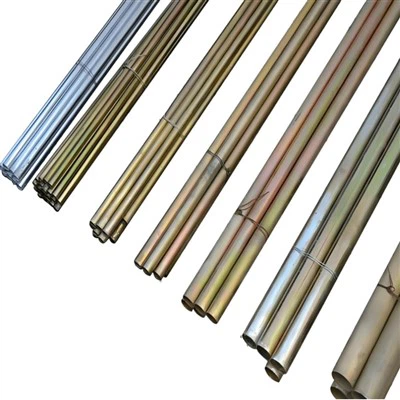
Galvanized rigid metal conduit (GRC) is a popular choice for electrical installations due to its durability and strength. As a supplier of Galvanized Rigid Metal Conduit, I often receive inquiries about its suitability for outdoor lighting systems. In this blog post, I will explore the factors that determine whether GRC can be used in outdoor lighting applications and provide insights based on industry standards and best practices.
Understanding Galvanized Rigid Metal Conduit
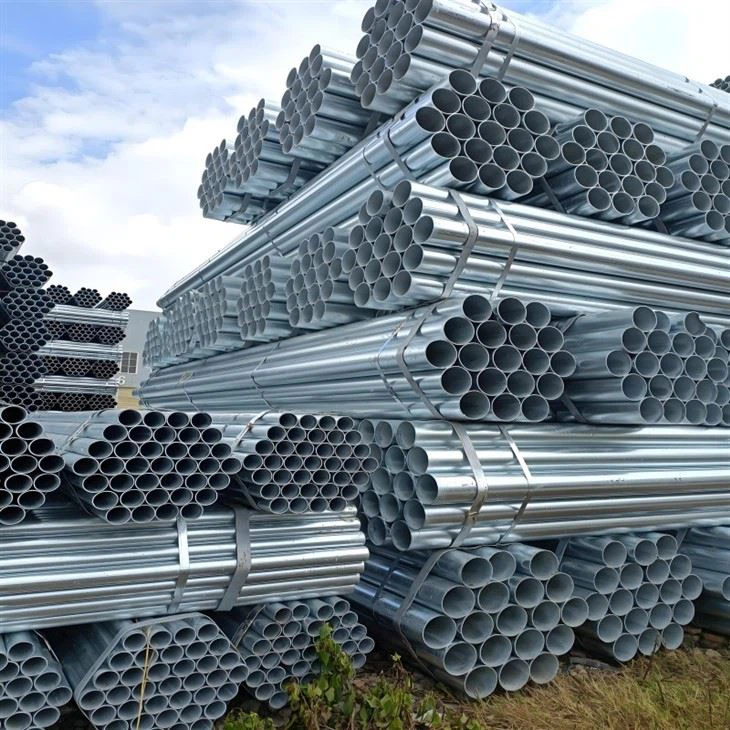
Galvanized rigid metal conduit is a type of electrical conduit made from steel that has been coated with a layer of zinc through a galvanization process. This zinc coating provides excellent corrosion resistance, making the conduit suitable for use in harsh environments. GRC is available in various sizes and thicknesses, allowing it to accommodate different types of electrical wiring and cables.
One of the key advantages of GRC is its mechanical strength. It can withstand physical damage, such as impacts and vibrations, better than other types of conduits, making it ideal for outdoor applications where the conduit may be exposed to rough handling or environmental hazards. Additionally, GRC provides a high level of protection against fire and electrical interference, ensuring the safety and reliability of the electrical system.
Suitability for Outdoor Lighting Systems
When considering the use of GRC in outdoor lighting systems, several factors need to be taken into account:
1. Corrosion Resistance
Outdoor environments are often exposed to moisture, humidity, and other corrosive elements, which can cause the conduit to rust and deteriorate over time. The zinc coating on GRC provides a protective barrier against corrosion, but its effectiveness depends on the thickness of the coating and the severity of the environmental conditions. In areas with high levels of humidity, saltwater exposure, or industrial pollution, a thicker zinc coating may be required to ensure long-term corrosion resistance.
2. UV Resistance
Exposure to sunlight can cause the zinc coating on GRC to degrade over time, reducing its corrosion resistance. While GRC is generally resistant to UV radiation, prolonged exposure to direct sunlight can still have an impact on its performance. In outdoor applications, it is recommended to use GRC that has been treated with a UV-resistant coating or to install the conduit in a shaded area to minimize the effects of sunlight.
3. Temperature Resistance
Outdoor lighting systems may be exposed to extreme temperatures, ranging from freezing cold to scorching heat. GRC has a high melting point and can withstand a wide range of temperatures without losing its structural integrity. However, in areas with extreme temperature variations, it is important to ensure that the conduit is installed with proper expansion joints to allow for thermal expansion and contraction.
4. Physical Protection
Outdoor lighting systems are often located in areas where the conduit may be at risk of physical damage, such as from vehicles, lawnmowers, or vandalism. GRC's high mechanical strength provides excellent protection against impacts and abrasions, reducing the risk of damage to the electrical wiring inside the conduit. Additionally, GRC can be installed underground or in conduit trenches to provide further protection against physical damage.
5. Electrical Code Compliance
When installing GRC in outdoor lighting systems, it is important to ensure that the installation complies with local electrical codes and regulations. Electrical codes specify the minimum requirements for conduit installation, including the type of conduit, the size of the conduit, and the method of installation. Failure to comply with electrical codes can result in safety hazards and may void the warranty on the electrical system.

Installation Considerations
Proper installation is crucial to ensure the performance and longevity of GRC in outdoor lighting systems. Here are some installation considerations to keep in mind:
1. Conduit Sizing
The size of the GRC should be selected based on the number and size of the electrical wires and cables that will be installed inside the conduit. The National Electrical Code (NEC) provides guidelines for conduit sizing based on the type of wiring and the number of conductors. It is important to follow these guidelines to ensure that the conduit can accommodate the electrical wiring without overcrowding.
2. Conduit Support
GRC should be properly supported at regular intervals to prevent sagging and damage. The NEC specifies the maximum spacing for conduit supports based on the size and type of conduit. In outdoor applications, it is recommended to use heavy-duty conduit supports that are designed to withstand the elements and provide long-term stability.
3. Conduit Bending
GRC can be bent to fit around obstacles and corners using a conduit bender. However, it is important to follow the manufacturer's instructions when bending the conduit to ensure that the bend radius is within the acceptable limits. Improper bending can cause the conduit to crack or deform, reducing its strength and integrity.
4. Conduit Termination
The ends of the GRC should be properly terminated to prevent moisture and debris from entering the conduit. This can be achieved by using conduit fittings, such as couplings, elbows, and connectors, that are designed to provide a watertight seal. Additionally, the conduit should be grounded to prevent electrical shock and to ensure the safety of the electrical system.
Advantages of Using GRC in Outdoor Lighting Systems
Despite the challenges associated with using GRC in outdoor lighting systems, there are several advantages to choosing this type of conduit:
1. Durability
GRC is a highly durable material that can withstand the rigors of outdoor environments. Its high mechanical strength and corrosion resistance make it ideal for use in areas where the conduit may be exposed to rough handling or environmental hazards.
2. Safety
GRC provides a high level of protection against fire and electrical interference, ensuring the safety and reliability of the electrical system. Its grounding properties also help to prevent electrical shock and to protect against lightning strikes.
3. Longevity
With proper installation and maintenance, GRC can last for many years, providing a cost-effective solution for outdoor lighting systems. Its long lifespan reduces the need for frequent replacements, saving time and money in the long run.
4. Compatibility
GRC is compatible with a wide range of electrical wiring and cables, making it easy to integrate into existing or new outdoor lighting systems. It can also be used in conjunction with other types of conduits, such as PVC or EMT, to provide additional protection and flexibility.
Conclusion
In conclusion, galvanized rigid metal conduit can be used in outdoor lighting systems, provided that the appropriate factors are considered and the installation is carried out correctly. Its durability, strength, and corrosion resistance make it a suitable choice for outdoor applications where the conduit may be exposed to harsh environmental conditions. However, it is important to ensure that the GRC is properly sized, supported, and terminated to ensure its performance and longevity.
If you are considering using Galvanized Rigid Metal Conduit in your outdoor lighting system, I encourage you to contact us to discuss your specific requirements. Our team of experts can provide you with detailed information about our products and services and help you choose the right conduit for your application. We look forward to working with you to ensure the success of your outdoor lighting project.
References
- National Electrical Code (NEC)
- Underwriters Laboratories (UL) Standards
- Galvanized Iron Round Pipe Manufacturer's Specifications
- Heavy Duty Electrical Conduit Installation Guidelines