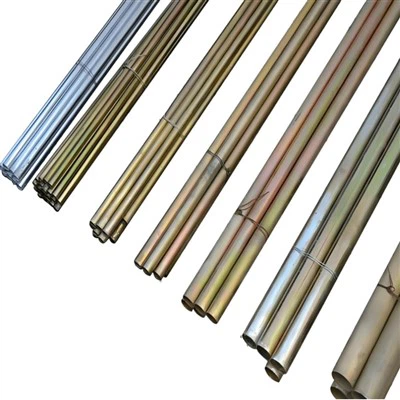
Yo, what's up, everyone! I'm a supplier of Embedded Metal Conduit, and today I wanna chat about something super important – are there any environmental impacts associated with embedded metal conduit? Let's dig into this topic.
What is Embedded Metal Conduit?
First off, if you're not too sure what embedded metal conduit is, it's basically a protective tubing used to house electrical wires. It comes in different types, like KBG Conduit, Explosion Proof Flexible Metal Conduit, and Compression Type Galvanized Thin-walled Wire Conduit. Each type has its own unique features and uses, but they all serve the main purpose of protecting electrical wiring.
Environmental Impacts During Production
When it comes to the environmental impacts of embedded metal conduit, we gotta start with the production process. Making metal conduit involves a bunch of steps, and some of them can have a negative effect on the environment.
Raw Material Extraction
The first step is getting the raw materials. Most metal conduits are made from steel or aluminum. Mining these metals can be pretty rough on the environment. For steel, iron ore needs to be mined. This process can lead to deforestation, soil erosion, and water pollution. The large-scale mining operations often require clearing large areas of land, which destroys natural habitats for plants and animals.
Aluminum production starts with bauxite mining. Bauxite mining can also cause significant environmental damage, such as soil degradation and the release of harmful chemicals into the environment. The extraction process uses a lot of water, and if not managed properly, it can lead to water shortages in the surrounding areas.
Manufacturing Processes
Once the raw materials are extracted, they go through various manufacturing processes. For example, steel is often melted in large furnaces. These furnaces burn fossil fuels like coal or natural gas, which releases a ton of greenhouse gases into the atmosphere, contributing to global warming. The manufacturing process also creates a lot of waste, such as slag and dust. If not disposed of correctly, these waste materials can contaminate the soil and water.
Environmental Impacts During Use
While embedded metal conduit is mainly used to protect electrical wires, it can also have some environmental impacts during its use.
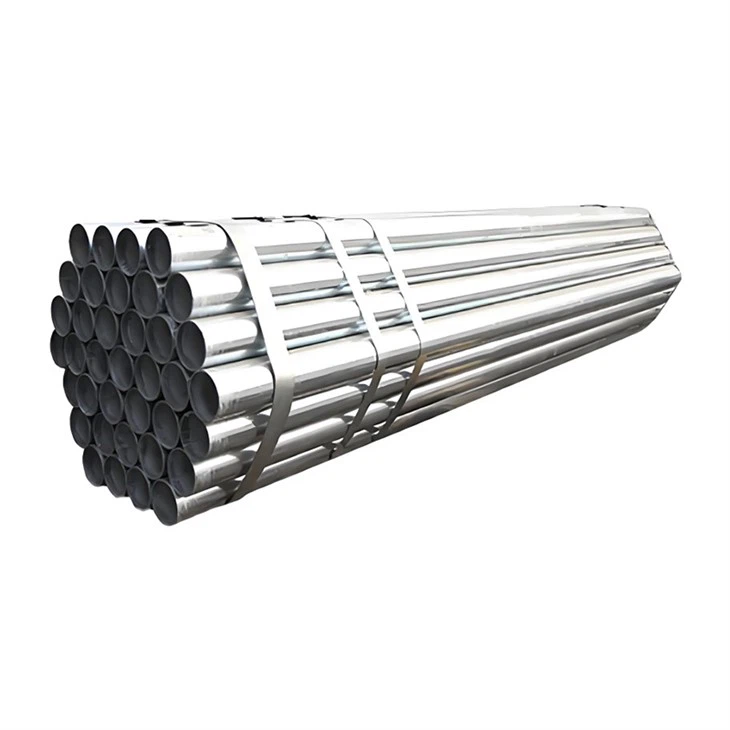

Electrical Efficiency
One of the things we need to consider is how the conduit affects the electrical efficiency of the wiring system. If the conduit is not properly installed or if it has a high resistance, it can cause energy losses. These energy losses mean that more electricity needs to be generated, which in turn leads to more greenhouse gas emissions from power plants.
Durability and Maintenance
The durability of the embedded metal conduit is also important. If the conduit is not durable and needs to be replaced frequently, it means more resources are being used to produce new conduits. Additionally, the process of replacing the conduit can cause disruptions to the surrounding environment. Maintenance activities, such as painting or coating the conduit to prevent corrosion, can also release harmful chemicals into the air and soil if not done properly.
Environmental Impacts at the End of Life
When the embedded metal conduit reaches the end of its useful life, we need to think about how to dispose of it properly.
Recycling
The good news is that metal conduit is highly recyclable. Recycling reduces the need for new raw materials, which in turn reduces the environmental impact of mining. When metal conduit is recycled, it can be melted down and used to make new products. This process uses less energy compared to producing new metal from raw materials. However, the recycling process still has some environmental impacts, such as the energy required to transport the conduit to the recycling facility and the energy used in the melting process.
Landfill Disposal
If the metal conduit is not recycled and is instead sent to a landfill, it can take up a lot of space. Metal conduits do not break down easily, so they can remain in landfills for a long time. Over time, the metal can corrode, and the chemicals used in the coating or plating process can leach into the soil and groundwater, causing pollution.
Mitigating the Environmental Impacts
As a supplier of embedded metal conduit, I'm really concerned about minimizing the environmental impacts. Here are some ways we can do that.
Sourcing Raw Materials Responsibly
We can work with suppliers who use sustainable mining practices. This means that the mining companies are taking steps to reduce their environmental impact, such as reforesting mined areas and treating wastewater before discharging it. By sourcing raw materials responsibly, we can reduce the negative effects of the extraction process.
Improving Manufacturing Processes
We can invest in new technologies to make the manufacturing process more efficient and environmentally friendly. For example, using electric furnaces instead of fossil fuel-powered furnaces can significantly reduce greenhouse gas emissions. We can also implement better waste management practices to reduce the amount of waste generated during production.
Promoting Recycling
We can encourage our customers to recycle the metal conduit at the end of its life. By providing information about recycling options and making it easy for customers to recycle, we can increase the recycling rate and reduce the amount of metal conduit going to landfills.
Conclusion
So, to answer the question, yes, there are environmental impacts associated with embedded metal conduit. But the good news is that we can take steps to minimize these impacts. As a supplier, I'm committed to doing my part to make the production, use, and disposal of embedded metal conduit as environmentally friendly as possible.
If you're interested in learning more about our embedded metal conduit products or have any questions, feel free to reach out. We're always happy to have a chat and discuss how we can meet your needs. Whether you're working on a small project or a large-scale construction job, we've got the right conduit for you. Let's work together to make the world a better place while getting the job done right.
References
- Environmental Protection Agency. (2019). Mining and Quarrying. Retrieved from EPA.gov
- International Aluminium Institute. (2020). Aluminium Production and the Environment. Retrieved from IAI.org
- World Steel Association. (2021). Steel and the Environment. Retrieved from WorldSteel.org