Hey there! As a supplier of Perforated Metal Cable Tray, I often get asked about the materials used to make these nifty products. So, I thought I'd take a deep - dive into this topic and share all the ins and outs with you.
Steel
Let's start with steel, one of the most commonly used materials for Perforated Metal Cable Tray. Steel is a go - to choice because it's strong and durable. It can handle a lot of weight, making it perfect for industrial settings where there are tons of cables to support.
There are different types of steel used. Mild steel is often the first option. It's relatively inexpensive and easy to work with. Manufacturers can cut, bend, and perforate mild steel without too much hassle. However, mild steel is prone to rusting. To combat this, it usually gets a coating.
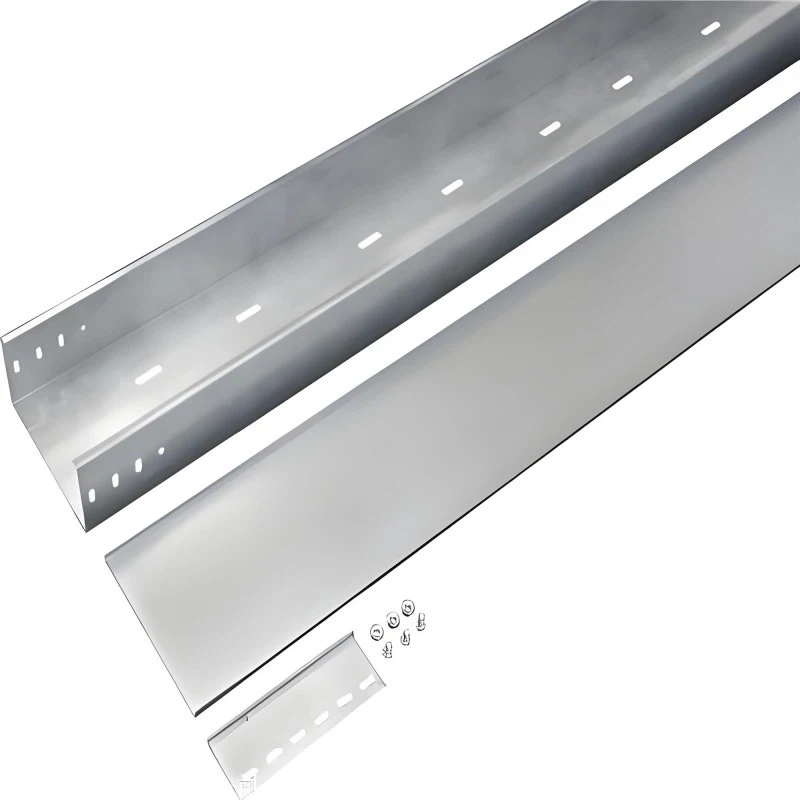

One popular coating method is hot - dip galvanizing. A Hot Dip Galvanized Perforated Cable Tray is created by immersing the steel in a bath of molten zinc. This zinc layer acts as a protective shield, preventing the steel from coming into contact with oxygen and moisture, which are the main culprits behind rust. The galvanized layer also gives the cable tray a nice, shiny finish.
Another type of steel is stainless steel. Stainless steel contains chromium, which forms a passive oxide layer on the surface. This layer makes stainless steel highly resistant to corrosion, even in harsh environments like chemical plants or coastal areas. Although stainless steel is more expensive than mild steel, its long - term durability and low maintenance requirements make it a great investment.
Aluminum
Aluminum is another material that's widely used in making Perforated Metal Cable Tray. One of the biggest advantages of aluminum is its light weight. Compared to steel, aluminum cable trays are much easier to install, especially in large - scale projects. This can save a lot of time and labor costs.
Aluminum also has excellent corrosion resistance. It forms a natural oxide layer on its surface, which protects it from rust and other forms of corrosion. This makes aluminum cable trays suitable for outdoor use or in areas with high humidity.
In addition, aluminum is a good conductor of heat. This means that it can help dissipate heat generated by the cables, reducing the risk of overheating. Some aluminum cable trays are also designed with special perforation patterns to enhance air circulation, further improving the heat - dissipation performance.
Zinc Aluminium Magnesium Alloy
The Zinc Aluminium Magnesium Alloy Cable Tray is a relatively new player in the market, but it's quickly gaining popularity. This alloy combines the best properties of zinc, aluminum, and magnesium.
The zinc in the alloy provides a sacrificial protection layer. When the cable tray is exposed to the elements, the zinc corrodes first, protecting the underlying metal. Aluminum enhances the corrosion resistance and also adds to the alloy's strength. Magnesium improves the formability of the alloy, making it easier to manufacture complex shapes.
Zinc Aluminium Magnesium Alloy cable trays have a very long service life, even in extremely corrosive environments. They can withstand salt spray, acid rain, and other harsh conditions, making them ideal for industries such as offshore oil and gas, marine, and chemical processing.
Fiberglass
Fiberglass is a unique material used for Perforated Metal Cable Tray. It's made of glass fibers embedded in a resin matrix. Fiberglass cable trays are non - conductive, which is a huge advantage in electrical applications. They eliminate the risk of electrical shorts and are safe to use in areas with high - voltage cables.
Fiberglass is also highly resistant to corrosion. It won't rust or corrode in the presence of chemicals, moisture, or UV rays. This makes it suitable for use in chemical plants, wastewater treatment facilities, and outdoor installations.
Another benefit of fiberglass is its high strength - to - weight ratio. Despite being lightweight, fiberglass cable trays can support a significant amount of weight. They are also very flexible and can be easily cut and shaped on - site to fit specific installation requirements.
Plastic
Plastic cable trays are often used in less - demanding applications. They are lightweight, inexpensive, and easy to install. There are different types of plastics used, such as polyvinyl chloride (PVC) and polyethylene (PE).
PVC cable trays are known for their good chemical resistance. They can withstand exposure to a variety of chemicals, making them suitable for use in laboratories and cleanrooms. PE cable trays, on the other hand, are more flexible and have better impact resistance.
However, plastic cable trays have some limitations. They are not as strong as metal or fiberglass cable trays and may not be suitable for supporting heavy cables or in high - traffic areas. They also have a lower heat - resistance compared to other materials, which can be a concern in areas where there is a risk of overheating.
Choosing the Right Material
When it comes to choosing the right material for your Perforated Metal Cable Tray, there are several factors to consider. First, think about the environment where the cable tray will be installed. If it's an outdoor or corrosive environment, materials like stainless steel, aluminum, or Zinc Aluminium Magnesium Alloy are better choices.
Next, consider the weight of the cables. If you have a large number of heavy cables, you'll need a cable tray made of a strong material like steel. For lighter cables, plastic or fiberglass may be sufficient.
Cost is also an important factor. Steel and aluminum are generally more cost - effective in the long run, especially considering their durability. However, if you're on a tight budget, plastic cable trays may be a more affordable option.
Conclusion
So, there you have it! These are the main materials used to make Perforated Metal Cable Tray. Each material has its own unique properties and advantages, and the right choice depends on your specific needs and requirements.
Whether you're looking for a Zinc Aluminium Magnesium Alloy Cable Tray for a harsh industrial environment, an Industrial Cable Raceway for a large - scale project, or a Hot Dip Galvanized Perforated Cable Tray for general use, we've got you covered.
If you're interested in learning more about our products or have any questions about which material is best for your project, don't hesitate to reach out. We're here to help you make the right decision and ensure that your cable management system is top - notch. Let's start a conversation and see how we can work together to meet your needs.
References
- "Handbook of Cable Tray Design and Installation"
- "Materials Science and Engineering: An Introduction" by William D. Callister Jr. and David G. Rethwisch
- Industry reports on cable tray materials and market trends