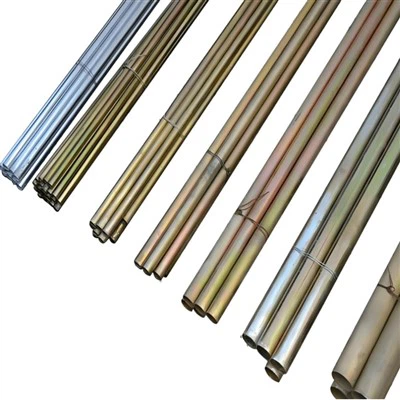
Hey there! As a supplier of Bonding Flexible Metal Conduit, I've been in the electrical game for quite a while. And let me tell you, bonding flexible metal conduit in electrical systems is no small feat. There are a bunch of requirements that need to be met to ensure everything runs smoothly and safely. So, let's dive right in and talk about what those requirements are.
1. Electrical Continuity
First off, electrical continuity is super important. The flexible metal conduit needs to be electrically continuous from end to end. This means that there should be a low - resistance path for the flow of electrical current. Any breaks or discontinuities can lead to problems like electrical arcing, which is a major safety hazard.
To achieve this, the conduit should be properly installed without any kinks or sharp bends that could damage the internal structure and disrupt the electrical path. When connecting different sections of the conduit, use approved connectors that are designed to maintain electrical continuity. These connectors should be tightened properly to ensure a good electrical connection.
2. Grounding
Grounding is another key requirement. The flexible metal conduit must be grounded to prevent the buildup of static electricity and to provide a safe path for fault currents. In case of a short - circuit or other electrical fault, the ground connection allows the current to flow safely to the earth, protecting people and equipment from electrical shock.
There are different ways to ground the flexible metal conduit. One common method is to use a grounding conductor, which is a wire that connects the conduit to the electrical grounding system. The grounding conductor should be of an appropriate size, based on the electrical load and the requirements of the local electrical code.
3. Mechanical Protection
The conduit needs to provide adequate mechanical protection for the electrical wires inside. It should be able to withstand physical stress, such as impacts, vibrations, and abrasion. This is especially important in industrial or commercial settings where the conduit may be exposed to harsh conditions.
Flexible metal conduit is typically made of materials like steel or aluminum, which offer good mechanical strength. However, the thickness of the conduit wall also plays a role. Thicker walls generally provide better protection. Additionally, the conduit should be installed in a way that it is not subject to excessive bending or stretching, which could weaken its structure.
4. Compatibility with Other Components
The flexible metal conduit must be compatible with other components in the electrical system. This includes things like junction boxes, fittings, and switches. For example, the size and type of the conduit should match the openings in the junction boxes to ensure a proper fit.
When using different types of fittings, make sure they are designed for use with flexible metal conduit. Using incompatible components can lead to poor electrical connections, increased resistance, and potential safety issues.
5. Compliance with Electrical Codes
One of the most important requirements is compliance with local and national electrical codes. These codes are in place to ensure the safety of electrical installations. They specify things like the maximum allowable length of the conduit, the type of grounding required, and the installation methods.
It's crucial to stay up - to - date with the latest electrical codes and make sure that your installation meets all the requirements. Failure to comply with the codes can result in fines, and more importantly, it can put people at risk.
Our Product Range
As a supplier, we offer a wide range of bonding flexible metal conduit products. But we also have other types of conduits that might be of interest to you. For instance, we have Galvanized Rigid Metal Conduit, which is great for applications where high mechanical strength and corrosion resistance are needed. It's often used in outdoor or industrial settings.
We also have Powder - coated Wire Conduit. This type of conduit has a powder - coated finish, which not only provides an extra layer of protection against corrosion but also gives it a nice, clean look. It's a popular choice for indoor applications where aesthetics are also a consideration.
And if you're working on a project that requires a conduit for use in plenums (the spaces above dropped ceilings or below raised floors), we have Plenum - Rated Conduit. This conduit is specially designed to meet the strict fire and smoke requirements for plenum spaces.
Why Choose Our Bonding Flexible Metal Conduit
Our bonding flexible metal conduit is made from high - quality materials, ensuring excellent electrical and mechanical performance. We follow strict manufacturing processes to make sure that each piece of conduit meets or exceeds the relevant electrical codes and standards.


We also offer a variety of sizes and configurations to suit different applications. Whether you're working on a small residential project or a large commercial installation, we have the right conduit for you.
Let's Talk
If you're in the market for bonding flexible metal conduit or any of our other conduit products, I'd love to hear from you. We can discuss your specific requirements, answer any questions you might have, and provide you with a quote. Just reach out, and let's start the conversation about how we can help with your electrical project.
References
- National Electrical Code (NEC)
- Local electrical safety regulations
- Manufacturer's installation and product guides