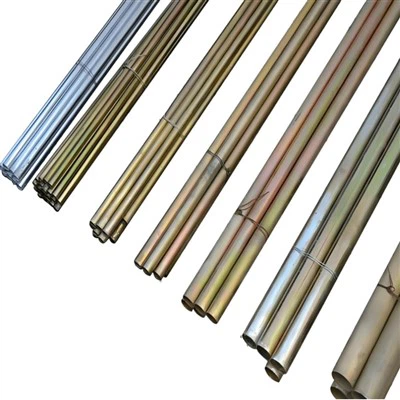
Perforated metal cable trays are a staple in various industries, offering a reliable solution for cable management. As a supplier of Perforated Metal Cable Tray, I often get asked about the recyclability of these products. In this blog, we'll delve into the science behind recycling perforated metal cable trays, exploring the process, benefits, and challenges.
The Composition of Perforated Metal Cable Trays
Perforated metal cable trays are typically made from materials such as steel, aluminum, or galvanized steel. These metals are chosen for their durability, strength, and resistance to corrosion. Steel cable trays are known for their high load - bearing capacity, while aluminum trays are lightweight and offer excellent conductivity. Galvanized steel combines the strength of steel with the corrosion - resistance provided by the zinc coating.
The perforations in the cable trays serve multiple purposes. They allow for better ventilation, which helps in dissipating heat generated by the cables. They also reduce the weight of the tray, making it easier to install and handle. Additionally, the perforations can provide a certain degree of flexibility in cable routing.
The Recycling Process
Steel Cable Trays
Steel is one of the most recycled materials in the world. When a perforated steel cable tray reaches the end of its useful life, it can be recycled through a well - established process. First, the cable tray is collected and transported to a recycling facility. At the facility, the tray is sorted to remove any non - steel components such as plastic clips or rubber gaskets.
The steel is then shredded into small pieces. These pieces are melted in a furnace at high temperatures. During the melting process, impurities are removed, and the steel is refined. The molten steel can then be cast into new products, including new cable trays. This recycling process not only conserves natural resources but also reduces energy consumption compared to producing new steel from raw materials.
Aluminum Cable Trays
Aluminum is also highly recyclable. Recycling aluminum requires significantly less energy than producing new aluminum from bauxite ore. When recycling an aluminum perforated cable tray, the tray is first cleaned to remove any dirt, grease, or paint. It is then shredded and melted in a specialized furnace.
The molten aluminum is then alloyed with other metals to achieve the desired properties. This recycled aluminum can be used to manufacture a wide range of products, including new cable trays. The recycling of aluminum cable trays helps to reduce the environmental impact associated with mining and refining bauxite.
Benefits of Recycling Perforated Metal Cable Trays
Environmental Benefits
Recycling perforated metal cable trays has significant environmental advantages. By reusing metals, we reduce the demand for virgin materials. Mining and refining metals such as iron ore and bauxite can have a substantial impact on the environment, including deforestation, soil erosion, and water pollution. Recycling helps to conserve natural resources and minimize the ecological footprint of the cable tray industry.
Moreover, the energy savings associated with recycling are substantial. As mentioned earlier, recycling steel and aluminum requires much less energy than producing these metals from scratch. This reduction in energy consumption translates into lower greenhouse gas emissions, contributing to the fight against climate change.
Economic Benefits
Recycling also offers economic benefits. For suppliers like me, recycling can reduce the cost of raw materials. By using recycled metals, we can offer more competitive prices to our customers. Additionally, the recycling industry creates jobs in collection, sorting, and processing. This can have a positive impact on local economies.
Challenges in Recycling Perforated Metal Cable Trays
Contamination
One of the main challenges in recycling perforated metal cable trays is contamination. Cable trays may be coated with paint, plastic, or other materials that can interfere with the recycling process. Removing these contaminants can be time - consuming and costly. For example, if a cable tray has a thick layer of paint, it may need to be sandblasted or chemically treated before it can be recycled.
Sorting
Sorting different types of metals can also be a challenge. In some cases, cable trays may be made from a combination of metals or have non - metal components. Ensuring that the metals are properly sorted is crucial for the quality of the recycled product. Incorrect sorting can lead to impurities in the recycled metal, reducing its value and usability.
The Role of Suppliers in Recycling
As a supplier of Perforated Metal Cable Tray, I play an important role in promoting recycling. We can educate our customers about the benefits of recycling and provide guidance on how to properly dispose of their old cable trays. We can also work with recycling facilities to ensure that the recycling process is as efficient and effective as possible.
In addition, we can design our cable trays with recyclability in mind. For example, we can use materials that are easier to separate and recycle, and we can minimize the use of non - recyclable components.
Conclusion
In conclusion, perforated metal cable trays can indeed be recycled. Whether they are made of steel, aluminum, or galvanized steel, these trays can be reclaimed and transformed into new products. Recycling offers numerous environmental and economic benefits, but it also faces challenges such as contamination and sorting.
As a supplier, I am committed to promoting the recycling of our products. We believe that by working together with our customers and recycling partners, we can make a positive impact on the environment and contribute to a more sustainable future.


If you are in the market for high - quality Perforated Metal Cable Tray, Industrial Cable Raceway, or Aluminium Alloy Cable Tray, please don't hesitate to contact us for more information and to discuss your specific requirements. Our team of experts is ready to assist you in finding the best cable management solutions for your project.
References
- "Recycling of Metals: Principles and Practice" by D. W. Green and G. A. O'Connor.
- "The Handbook of Aluminum" edited by G. E. Totten and D. S. MacKenzie.
- Industry reports on cable tray manufacturing and recycling.