Ladder cable trays are a popular choice in the electrical industry for organizing and supporting cables. As a supplier of ladder cable trays, I often receive inquiries about whether they can be used for power cables. In this blog post, I'll explore this question in detail, considering various factors such as safety, performance, and industry standards.
Understanding Ladder Cable Trays
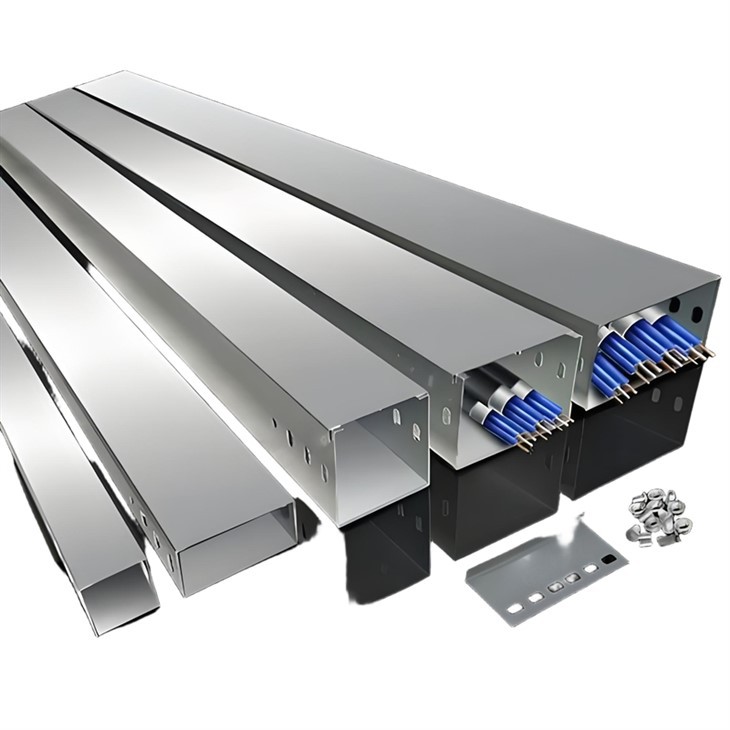
Ladder cable trays are designed with a ladder-like structure, consisting of side rails and crossbars. This design provides excellent ventilation for cables, which helps in dissipating heat generated during cable operation. The open design also allows for easy access to cables for installation, maintenance, and future expansion. There are different types of ladder cable trays available, including Solid Bottom Type Cable Tray, Stainless Steel Wire Mesh Cable Tray, and Galvanized Steel Cable Tray. Each type has its own unique features and advantages, making them suitable for different applications.
Suitability of Ladder Cable Trays for Power Cables
Power cables are used to transmit electrical energy from a power source to various electrical equipment. They carry high currents and are subject to significant heat generation. Therefore, the cable tray used for power cables must be able to support the weight of the cables, provide adequate ventilation, and ensure electrical safety.
1. Weight Support
Ladder cable trays are designed to support heavy loads. The side rails and crossbars are engineered to withstand the weight of multiple power cables. The spacing between the crossbars can be adjusted according to the size and quantity of the cables, ensuring that the cables are properly supported and evenly distributed on the tray. This prevents sagging and reduces the risk of cable damage.
2. Ventilation
As mentioned earlier, power cables generate heat during operation. Adequate ventilation is crucial to prevent overheating, which can lead to insulation breakdown and reduced cable lifespan. The open design of ladder cable trays allows for natural air circulation around the cables, dissipating heat effectively. This helps in maintaining the cable temperature within the acceptable range and ensures the reliable operation of the power system.
3. Electrical Safety
Ladder cable trays are made of conductive materials such as steel or aluminum. They provide a low-impedance path for electrical faults, which helps in quickly clearing the fault and protecting the electrical equipment. In addition, the trays can be grounded to prevent the accumulation of static electricity, reducing the risk of electrical shock.
Industry Standards and Regulations
When using ladder cable trays for power cables, it is important to comply with relevant industry standards and regulations. These standards ensure the safety and performance of the cable installation. Some of the key standards include:
1. National Electrical Code (NEC)
The NEC is a widely adopted standard in the United States for electrical installations. It provides guidelines for the selection, installation, and maintenance of cable trays, including ladder cable trays. According to the NEC, cable trays must be installed in a manner that ensures the safe operation of the electrical system and prevents damage to the cables.
2. International Electrotechnical Commission (IEC)
The IEC is an international organization that develops and publishes standards for electrical and electronic technologies. The IEC standards cover various aspects of cable tray design, installation, and performance. Compliance with IEC standards ensures that the cable tray installation meets the highest international safety and quality requirements.
Considerations for Using Ladder Cable Trays with Power Cables
While ladder cable trays are generally suitable for power cables, there are some additional considerations to keep in mind:
1. Cable Fill Ratio
The cable fill ratio refers to the percentage of the cross-sectional area of the cable tray that is occupied by the cables. It is important to maintain an appropriate cable fill ratio to ensure proper ventilation and prevent overcrowding of the cables. Overcrowding can lead to increased heat generation and reduced airflow, which can affect the performance and lifespan of the cables.

2. Environmental Conditions
The environmental conditions where the cable tray is installed can also affect its performance. For example, in corrosive environments, such as chemical plants or coastal areas, it is recommended to use corrosion-resistant materials such as stainless steel or galvanized steel for the cable tray. In addition, in areas with high humidity or extreme temperatures, special measures may be required to protect the cables from moisture and temperature variations.
3. Cable Bending Radius
Power cables have specific bending radius requirements to prevent damage to the insulation and conductors. When installing power cables in ladder cable trays, it is important to ensure that the cables are bent within the recommended bending radius. This can be achieved by using proper cable bending tools and following the manufacturer's instructions.
Conclusion
In conclusion, ladder cable trays can be effectively used for power cables. They offer excellent weight support, ventilation, and electrical safety, making them a suitable choice for power cable installations. However, it is important to consider factors such as cable fill ratio, environmental conditions, and cable bending radius to ensure the proper installation and reliable operation of the power cables.
As a supplier of ladder cable trays, I am committed to providing high-quality products that meet the needs of our customers. Our ladder cable trays are designed and manufactured to comply with the latest industry standards and regulations, ensuring the safety and performance of your power cable installations. If you are considering using ladder cable trays for your power cable project, I encourage you to contact us for more information and to discuss your specific requirements. We look forward to working with you to find the best cable tray solution for your application.
References
- National Fire Protection Association. (2020). National Electrical Code (NEC) - NFPA 70.
- International Electrotechnical Commission. (2021). IEC 61537: Installation of cable management systems.