Can Galvanized Perforated Cable Tray be used in chemical plants?
As a supplier of Galvanized Perforated Cable Tray, I often encounter questions from clients, especially those in the chemical industry, about whether our product is suitable for their plants. In this blog post, I will delve into the properties of Galvanized Perforated Cable Tray and analyze its applicability in chemical plants.
Understanding Galvanized Perforated Cable Tray
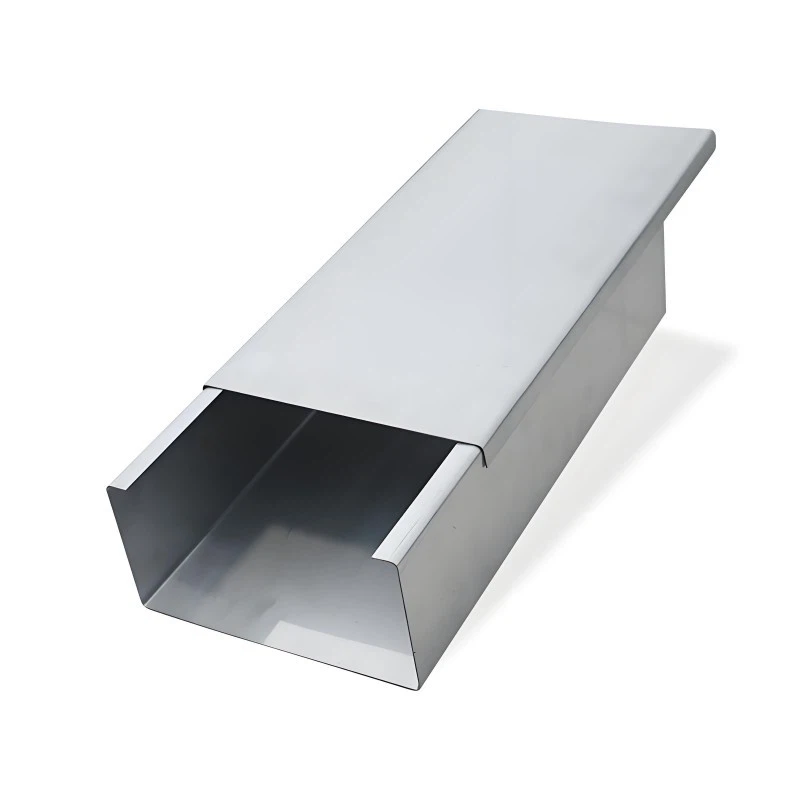
Galvanized Perforated Cable Tray is a type of cable management system that combines the advantages of galvanization and perforation. Galvanization is a process of coating steel or iron with a layer of zinc to prevent rusting. This protective zinc layer acts as a barrier between the metal substrate and the surrounding environment, significantly enhancing the corrosion resistance of the cable tray.
Perforation, on the other hand, refers to the presence of holes on the surface of the cable tray. These holes serve multiple purposes. Firstly, they allow for better ventilation, which helps in dissipating heat generated by the cables. This is crucial as excessive heat can reduce the lifespan of cables and even pose a fire hazard. Secondly, perforations reduce the weight of the cable tray, making it easier to install and handle. Additionally, they facilitate the drainage of water, preventing the accumulation of moisture that could lead to corrosion.
You can learn more about our Hot Dip Galvanized Perforated Cable Tray on our website.
Chemical Plant Environment
Chemical plants are known for their harsh and corrosive environments. They are filled with various chemicals, including acids, alkalis, and solvents, which can cause severe damage to equipment and structures. The presence of high humidity, temperature fluctuations, and airborne contaminants further exacerbates the corrosion problem.
In such an environment, cable trays need to be able to withstand the corrosive effects of chemicals and maintain their structural integrity over time. Failure to do so can lead to cable damage, electrical failures, and even safety hazards.
Advantages of Galvanized Perforated Cable Tray in Chemical Plants
- Corrosion Resistance
The zinc coating on Galvanized Perforated Cable Tray provides excellent corrosion resistance. Zinc is a sacrificial metal, which means that it corrodes preferentially to the underlying steel or iron. This sacrificial protection ensures that the cable tray remains intact even when exposed to corrosive chemicals. In many chemical plants, where mild corrosive agents are present, Galvanized Perforated Cable Tray can provide long - term protection for cables. - Heat Dissipation
As mentioned earlier, the perforations in the cable tray allow for efficient heat dissipation. In chemical plants, where cables may carry high - voltage or high - current loads, heat generation is a common issue. The ability of the Galvanized Perforated Cable Tray to dissipate heat helps in maintaining the optimal operating temperature of the cables, reducing the risk of overheating and cable failure. - Drainage
Chemical plants often have wet or humid conditions. The perforations in the cable tray allow water to drain easily, preventing the accumulation of moisture. This is important as moisture can accelerate the corrosion process and damage the cables. By keeping the cables dry, Galvanized Perforated Cable Tray helps in extending their lifespan. - Cost - Effectiveness
Compared to some other types of cable trays, such as Fiberglass Reinforced Plastic Cable Tray, Galvanized Perforated Cable Tray is generally more cost - effective. It offers a good balance between performance and price, making it an attractive option for chemical plant operators who are looking to manage their costs without compromising on quality.
Limitations and Considerations
- Severe Corrosive Environments
While Galvanized Perforated Cable Tray has good corrosion resistance, it may not be suitable for extremely corrosive environments. In chemical plants where highly concentrated acids or alkalis are present, the zinc coating may eventually be consumed, leaving the underlying metal vulnerable to corrosion. In such cases, alternative materials like Fiberglass Reinforced Plastic Cable Tray or stainless - steel cable trays may be more appropriate. - Chemical Compatibility
It is essential to consider the specific chemicals present in the chemical plant when choosing a cable tray. Some chemicals may react with the zinc coating or the underlying metal, causing accelerated corrosion. Before installing Galvanized Perforated Cable Tray, a chemical compatibility analysis should be conducted to ensure that it can withstand the chemicals in the environment. - Maintenance
Although Galvanized Perforated Cable Tray is relatively low - maintenance, it still requires periodic inspection and maintenance. Over time, the zinc coating may be damaged due to mechanical impacts or environmental factors. Any damaged areas should be repaired promptly to prevent corrosion from spreading.
Case Studies
There are several case studies where Galvanized Perforated Cable Tray has been successfully used in chemical plants. For example, in a medium - sized chemical plant that produces fertilizers, Galvanized Perforated Cable Tray was installed to support the electrical cables. After several years of operation, the cable tray showed only minor signs of corrosion, and the cables remained in good condition. The heat dissipation provided by the perforations helped in maintaining the cable temperature within the acceptable range, and the drainage feature prevented water accumulation.
Conclusion
Galvanized Perforated Cable Tray can be a viable option for many chemical plants. Its corrosion resistance, heat dissipation, drainage, and cost - effectiveness make it a suitable choice for medium - corrosive environments. However, it is important to carefully assess the specific conditions of the chemical plant, including the types of chemicals present, the level of corrosion, and the maintenance requirements.
If you are considering using Galvanized Perforated Cable Tray in your chemical plant, I encourage you to contact us for more information. We can provide detailed technical specifications, conduct chemical compatibility tests, and offer customized solutions based on your specific needs. Our team of experts is ready to assist you in making the right choice for your cable management system.

References
- "Corrosion Resistance of Galvanized Steel in Chemical Environments" - Journal of Materials Science
- "Cable Tray Selection for Harsh Industrial Environments" - Industrial Electrical Engineering Handbook