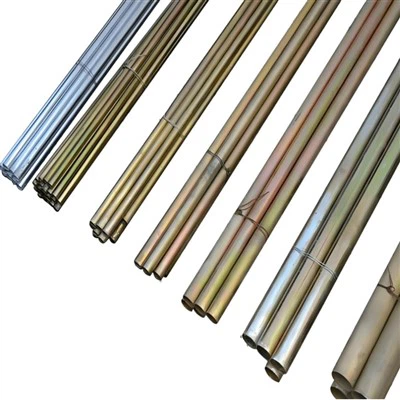
As a cable trunking supplier, I often receive inquiries from various industries regarding the suitability of our products for specific environments. One question that has come up frequently is whether cable trunking can be used in a cold storage facility. In this blog post, I will delve into this topic, exploring the technical aspects, potential challenges, and benefits of using cable trunking in cold storage.
Understanding Cold Storage Environments
Cold storage facilities are designed to maintain low temperatures, typically ranging from -20°C to 10°C, depending on the specific requirements of the stored goods. These environments pose unique challenges for electrical systems due to the extreme cold, high humidity, and potential for condensation. Additionally, cold storage facilities often have strict hygiene and safety regulations, which must be considered when selecting electrical components.
Technical Considerations for Cable Trunking in Cold Storage
When evaluating the suitability of cable trunking for cold storage, several technical factors must be taken into account:
Material Selection
The material of the cable trunking is crucial in cold storage environments. It must be able to withstand low temperatures without becoming brittle or losing its structural integrity. Hot Dip Galvanized Perforated Cable Tray is an excellent choice as it offers high corrosion resistance and durability. The hot-dip galvanizing process creates a protective layer that prevents rust and corrosion, even in harsh environments.
Stainless Steel Cable Tray is another suitable option. Stainless steel is known for its excellent resistance to corrosion, high strength, and ability to maintain its properties at low temperatures. It is also easy to clean, making it ideal for cold storage facilities where hygiene is a top priority.
Thermal Expansion and Contraction
Temperature fluctuations in cold storage can cause materials to expand and contract. This can lead to stress on the cable trunking and potentially damage the cables inside. To mitigate this issue, it is important to select cable trunking that is designed to accommodate thermal expansion and contraction. Some cable trunking systems are equipped with expansion joints or flexible sections that allow for movement without compromising the integrity of the system.
Moisture and Condensation
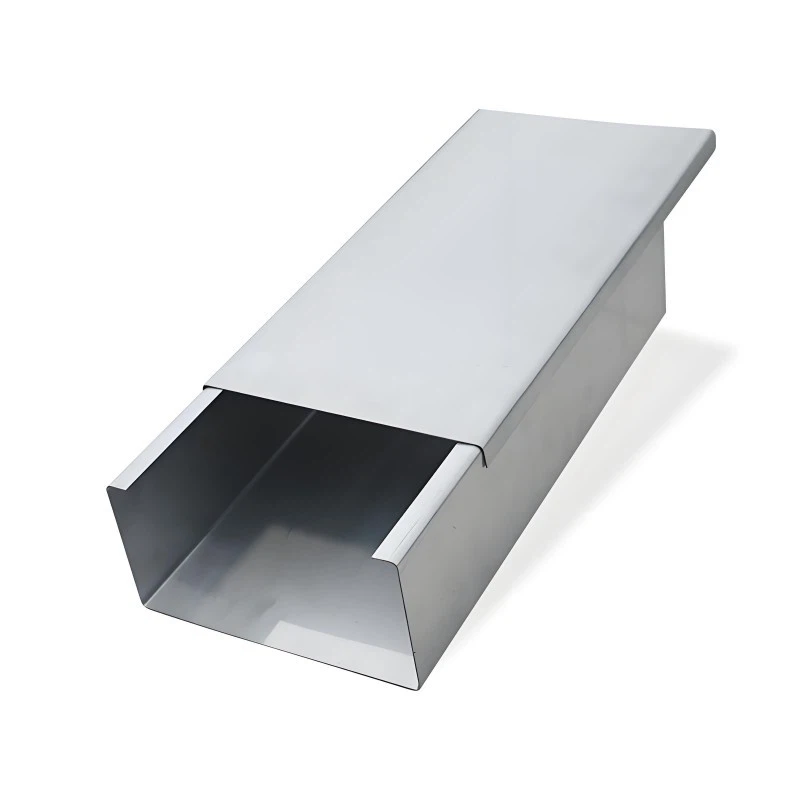
High humidity and the potential for condensation are common in cold storage environments. Moisture can cause corrosion, short circuits, and damage to the cables. To prevent moisture ingress, cable trunking should have a high degree of protection against water and dust. Industrial Cable Raceway is designed with tight-fitting covers and seals to prevent water and dust from entering the system. Additionally, proper ventilation and insulation can help reduce the risk of condensation.
Fire Resistance
Cold storage facilities are required to meet strict fire safety regulations. Cable trunking should be made of fire-resistant materials to prevent the spread of fire in the event of an electrical fault. Many of our cable trunking products are designed to meet or exceed fire safety standards, providing an additional layer of protection for your electrical system.

Benefits of Using Cable Trunking in Cold Storage
Despite the challenges, there are several benefits to using cable trunking in cold storage facilities:
Organization and Protection
Cable trunking provides a neat and organized way to route and protect cables. It helps prevent cables from being damaged by physical impact, moisture, and dust. This not only extends the lifespan of the cables but also reduces the risk of electrical failures and downtime.
Easy Installation and Maintenance
Cable trunking systems are designed for easy installation and maintenance. They can be easily assembled and disassembled, allowing for quick access to the cables when needed. This makes it easier to perform routine inspections, repairs, and upgrades, minimizing disruption to your operations.
Compliance with Regulations
Using cable trunking in cold storage facilities helps ensure compliance with electrical safety and hygiene regulations. It provides a standardized and approved method of cable management, reducing the risk of non-compliance and potential fines.
Conclusion
In conclusion, cable trunking can be used in cold storage facilities, provided that the appropriate materials and design features are selected. By considering the technical challenges and benefits outlined in this blog post, you can make an informed decision about the suitability of cable trunking for your cold storage application.
As a cable trunking supplier, we have extensive experience in providing solutions for a wide range of industries, including cold storage. Our team of experts can help you select the right cable trunking system for your specific needs and ensure that it is installed and maintained correctly.
If you are interested in learning more about our cable trunking products or have any questions about using cable trunking in cold storage, please contact us. We would be happy to discuss your requirements and provide you with a customized solution.
References
- Electrical Safety Standards for Cold Storage Facilities
- Corrosion Resistance of Materials in Low-Temperature Environments
- Thermal Expansion and Contraction in Building Materials