As a supplier of Flexible Conduit Junction Box, I often get asked whether these boxes are suitable for use in residential buildings. In this blog post, I'll explore the various aspects of using flexible conduit junction boxes in a home setting, including their benefits, limitations, and compliance with building codes.
Understanding Flexible Conduit Junction Boxes
A flexible conduit junction box is a crucial component in electrical systems. It serves as a connection point where multiple electrical wires can be joined, branched, or terminated. The flexibility of the conduit allows for easy installation around obstacles, curves, and in tight spaces, which is a significant advantage in many applications.
Flexible conduit junction boxes come in different materials, such as metal and non - metallic. Metal boxes are typically more durable and offer better protection against physical damage and electromagnetic interference. Non - metallic boxes, on the other hand, are lightweight, corrosion - resistant, and often more cost - effective.
Benefits of Using Flexible Conduit Junction Boxes in Residential Buildings
Easy Installation
One of the primary benefits of using flexible conduit junction boxes in residential buildings is the ease of installation. Unlike rigid conduit systems, flexible conduits can be bent and routed around corners, through walls, and around other building structures without the need for complex fittings or extensive cutting. This not only saves time during the installation process but also reduces labor costs.
For example, when wiring a new addition to a house or renovating an existing room, flexible conduits can be quickly installed to connect electrical fixtures, outlets, and switches. The ability to bend the conduit on - site means that electricians can work more efficiently, especially in areas where space is limited.
Adaptability
Residential buildings often have unique layouts and design features. Flexible conduit junction boxes can easily adapt to these variations. They can be used in both new construction and retrofit projects. Whether you're dealing with irregularly shaped rooms, sloped ceilings, or tight crawl spaces, flexible conduits can be adjusted to fit the specific requirements of the installation.
Protection for Wires
Flexible conduit junction boxes provide an extra layer of protection for electrical wires. They shield the wires from physical damage, such as abrasion, impact, and rodent bites. Additionally, they can help prevent moisture and dust from reaching the wires, which can extend the lifespan of the electrical system and reduce the risk of electrical failures.
Cost - Effectiveness
In many cases, using flexible conduit junction boxes can be more cost - effective than rigid conduit systems. The materials are generally less expensive, and the reduced installation time and labor costs can result in significant savings. This makes them an attractive option for homeowners on a budget.
Limitations of Using Flexible Conduit Junction Boxes in Residential Buildings
Limited Fire Resistance
One of the main limitations of some flexible conduit junction boxes is their limited fire resistance. While there are fire - rated options available, not all flexible conduits offer the same level of protection as rigid metal conduits. In areas where fire safety is a major concern, such as near heating systems or in multi - family dwellings, it's important to choose a fire - rated flexible conduit junction box.
Lower Physical Strength
Compared to rigid conduit systems, flexible conduits may have lower physical strength. They are more susceptible to being crushed or damaged if they are subjected to excessive pressure or impact. This means that they may not be suitable for applications where the conduit is likely to be exposed to heavy loads or rough handling.


Code Compliance
Building codes and regulations vary from region to region, and it's essential to ensure that the use of flexible conduit junction boxes complies with local electrical codes. Some codes may have specific requirements regarding the type of conduit, the installation method, and the location of junction boxes. For example, in some areas, flexible conduits may not be allowed in certain wet or hazardous locations.
Building Code Considerations
Before using flexible conduit junction boxes in a residential building, it's crucial to consult the local building codes. These codes are in place to ensure the safety of the electrical system and the occupants of the building.
Most building codes require that all electrical installations be installed by a licensed electrician. The electrician should be familiar with the specific requirements for flexible conduit junction boxes in your area. They can ensure that the boxes are properly sized, installed, and grounded to meet code standards.
In addition to local codes, national electrical codes, such as the National Electrical Code (NEC) in the United States, provide guidelines for the use of flexible conduit junction boxes. These codes cover aspects such as the maximum length of flexible conduit, the number of conductors allowed in a box, and the proper use of connectors and fittings.
Applications in Residential Buildings
Lighting Circuits
Flexible conduit junction boxes are commonly used in lighting circuits. They can be used to connect recessed lighting fixtures, pendant lights, and wall sconces. The flexibility of the conduit allows for easy installation in ceilings and walls, making it a popular choice for both new construction and retrofit projects.
Outlet Circuits
Outlet circuits in residential buildings also benefit from the use of flexible conduit junction boxes. They can be used to connect electrical outlets in kitchens, bathrooms, and other areas of the house. The ability to route the conduit around plumbing and other obstacles makes it easier to install outlets in tight spaces.
HVAC Systems
Heating, ventilation, and air conditioning (HVAC) systems often require electrical connections. Flexible conduit junction boxes can be used to connect the electrical components of HVAC systems, such as motors, thermostats, and control panels. The flexibility of the conduit allows for easy installation around the HVAC equipment and in ductwork.
Comparing with Other Conduit Systems
KBG Conduit
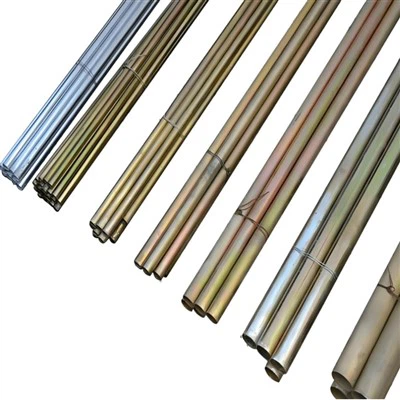
KBG Conduit is a type of thin - walled galvanized steel conduit. It is more rigid than flexible conduit but offers good protection against physical damage and corrosion. KBG conduit is often used in commercial and industrial applications but can also be used in residential buildings where a higher level of protection is required. However, its rigid nature makes it more difficult to install in tight spaces compared to flexible conduit junction boxes.
Outdoor Flexible Non - metallic Conduit
Outdoor Flexible Non - metallic Conduit is designed for outdoor use. It is resistant to moisture, sunlight, and chemicals. While it shares some of the flexibility advantages of flexible conduit junction boxes, it may have different installation requirements and limitations. For example, it may not be suitable for indoor use in some cases, and it may require different types of connectors and fittings.
Conclusion
In conclusion, flexible conduit junction boxes can be a viable option for use in residential buildings. They offer many benefits, such as easy installation, adaptability, and cost - effectiveness. However, they also have some limitations, such as limited fire resistance and lower physical strength. It's essential to consider these factors and ensure compliance with local building codes before using them in a residential electrical installation.
If you're considering using flexible conduit junction boxes in your residential project, I encourage you to reach out to discuss your specific needs. Our team of experts can provide you with detailed information about our products, help you select the right type of flexible conduit junction box for your application, and offer guidance on installation and code compliance. Contact us today to start the conversation about your electrical conduit needs.
References
- National Fire Protection Association. National Electrical Code (NEC).
- Local Building Codes and Regulations.