


In the realm of electrical and data infrastructure, cable management is a critical aspect that directly impacts system reliability, safety, and efficiency. Among the various solutions available, stainless steel cable trays have emerged as a popular choice for their durability, strength, and corrosion resistance. One key factor that often comes into play when evaluating cable trays is the ease of access for cable maintenance. In this blog post, we'll delve into what ease of access for cable maintenance means in the context of stainless steel cable trays and why it's a crucial consideration for both installers and end-users.
Understanding the Concept of Ease of Access
Ease of access for cable maintenance refers to how effortlessly technicians can reach, inspect, repair, or replace cables within a cable tray system. A cable tray that offers good accessibility minimizes downtime during maintenance activities, reduces the risk of damage to cables during the process, and enhances overall safety for the maintenance personnel.
When it comes to stainless steel cable trays, several design features contribute to the ease of access. Firstly, the open design of most cable trays allows for visual inspection of cables without the need for disassembly. This is a significant advantage over enclosed conduit systems, where the cables are hidden from view, making it difficult to detect issues such as wear, damage, or overheating.
Secondly, the modular nature of stainless steel cable trays enables easy removal and reinstallation of sections. This means that when maintenance is required, technicians can quickly access the affected area by simply removing the relevant tray section. For example, if a cable needs to be replaced, the technician can easily lift off the tray cover or remove a section of the tray to reach the cable, make the necessary repairs, and then reinstall the tray.
Design Features that Enhance Accessibility
Removable Covers
One of the most common design features in stainless steel cable trays is the use of removable covers. These covers provide a protective barrier for the cables while still allowing easy access when needed. The covers can be designed to be easily lifted off or hinged, depending on the specific requirements of the installation. Hinged covers are particularly convenient as they can be opened without the risk of misplacing the cover, and they can be quickly closed after maintenance is completed.
Dividers
Dividers are another important feature that can enhance the ease of access for cable maintenance. By separating different types of cables or cable runs within the tray, dividers make it easier to identify and access specific cables. This is especially useful in large installations where multiple cables are running through the same tray. For example, power cables can be separated from data cables using dividers, reducing the risk of interference and making it easier to perform maintenance on each type of cable independently.
Flexible Joints
Flexible joints in stainless steel cable trays allow for easy adjustment and movement of the tray sections. This is particularly useful in installations where the cable tray needs to follow a curved or irregular path. Flexible joints also make it easier to access cables in hard-to-reach areas, as they can be adjusted to provide better access to the cables.
Benefits of Easy Access for Cable Maintenance
Reduced Downtime
One of the primary benefits of easy access for cable maintenance is reduced downtime. When technicians can quickly and easily access the cables for inspection or repair, the time required for maintenance activities is significantly reduced. This is especially important in critical applications where any downtime can result in significant financial losses or operational disruptions. For example, in a data center, even a short period of downtime can lead to data loss, customer dissatisfaction, and revenue loss.
Improved Safety
Easy access for cable maintenance also enhances safety for the maintenance personnel. When technicians can easily reach the cables without having to struggle or use excessive force, the risk of accidents and injuries is reduced. Additionally, the open design of cable trays allows for better ventilation, reducing the risk of overheating and fire hazards.
Cost Savings
In the long run, easy access for cable maintenance can result in significant cost savings. By reducing downtime and improving safety, the overall cost of maintenance is lowered. Additionally, the ability to quickly identify and repair cable issues can prevent more serious problems from occurring, which can save on the cost of replacement cables and equipment.
Comparing Stainless Steel Cable Trays with Other Options
While stainless steel cable trays offer excellent ease of access for cable maintenance, it's worth comparing them with other types of cable management solutions to understand their advantages better.
Fiberglass Reinforced Plastic Cable Tray
Fiberglass reinforced plastic (FRP) cable trays are another popular option in the market. They are lightweight, corrosion-resistant, and have good electrical insulation properties. However, compared to stainless steel cable trays, FRP cable trays may not offer the same level of durability and strength. Additionally, the covers on FRP cable trays may be more difficult to remove and reinstall, which can affect the ease of access for cable maintenance.

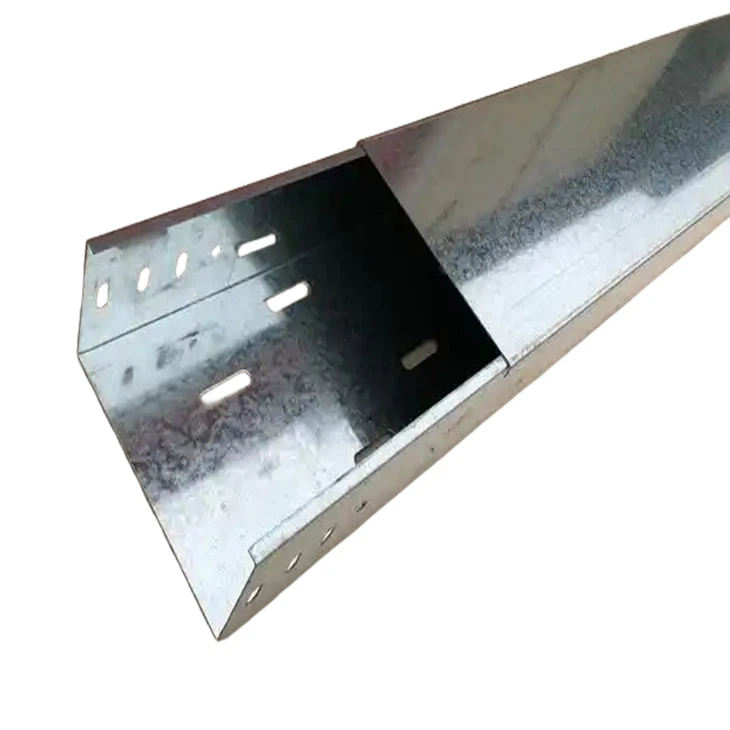
Industrial Cable Raceway
Industrial cable raceways are enclosed systems that provide a high level of protection for cables. While they offer excellent protection against dust, dirt, and moisture, they can be more difficult to access for cable maintenance. The enclosed design of cable raceways means that technicians may need to remove panels or covers to access the cables, which can be time-consuming and may require special tools.
Galvanized Perforated Cable Tray
Galvanized perforated cable trays are similar to stainless steel cable trays in terms of their open design and ease of access. However, they are made of galvanized steel, which may be more prone to corrosion in certain environments compared to stainless steel. Additionally, the perforations in the tray may allow for the accumulation of dust and debris, which can affect the performance of the cables over time.
Conclusion
In conclusion, the ease of access for cable maintenance is a critical factor to consider when choosing a cable tray system. Stainless steel cable trays offer several design features that enhance accessibility, including removable covers, dividers, and flexible joints. These features not only make it easier to reach and maintain the cables but also provide significant benefits such as reduced downtime, improved safety, and cost savings.
As a leading supplier of stainless steel cable trays, we understand the importance of providing high-quality products that meet the specific needs of our customers. Our stainless steel cable trays are designed with ease of access in mind, ensuring that maintenance activities can be carried out efficiently and safely. If you're in the market for a reliable and accessible cable tray solution, we invite you to contact us for more information. Our team of experts is ready to assist you in selecting the right cable tray system for your project and to provide you with the best possible service.
Contact us today to discuss your cable management needs and explore how our stainless steel cable trays can enhance the performance and reliability of your electrical and data infrastructure.
References
- Electrical Installation Handbook, Schneider Electric
- Cable Tray Design and Installation Guide, National Electrical Manufacturers Association (NEMA)


