Hey there! I'm a supplier of Flexible Conduit Junction Box, and today I wanna chat about the best way to recycle these boxes.
First off, let's understand what a flexible conduit junction box is. It's a crucial component in electrical systems. It provides a safe and organized way to connect and protect electrical wires. But like all things, they reach the end of their useful life, and that's when recycling comes in.
Why is recycling these boxes so important? Well, for starters, it's great for the environment. These boxes are often made of materials like metal and plastic. Metals, especially, are finite resources. By recycling them, we reduce the need for new mining, which can be extremely damaging to the environment. It saves energy too. Recycling metals generally takes less energy than producing them from raw materials.
Now, let's get into the nitty - gritty of the recycling process.
Step 1: Collection
The first step in recycling a flexible conduit junction box is collecting them. As a supplier, I often get feedback from customers about what to do with old boxes. I encourage them to gather all their used boxes in one place. This could be a storage area in a factory or a corner in a maintenance room.
If you're a big - scale user, like a large construction company, you might want to set up a dedicated collection point. Label it clearly so that everyone knows where to put the old boxes. This makes the whole process more efficient.
Step 2: Sorting
Once you've collected the boxes, it's time to sort them. Not all flexible conduit junction boxes are the same. Some might be made of different types of metals, like steel or aluminum. Others could have different plastic components.
Sorting by material type is essential. You can separate the metal boxes from the ones with a lot of plastic. Also, check for any signs of damage or contamination. For example, if a box has been exposed to chemicals, it might need special handling.
Step 3: Dismantling
After sorting, it's time to dismantle the boxes. This step is a bit more hands - on. You'll need some basic tools like screwdrivers and pliers.
Start by removing any screws or fasteners that hold the box together. Carefully take out any internal components, like wire clamps or terminal blocks. These smaller parts can often be recycled separately.
When you're dismantling, be careful not to damage the main parts of the box. You want to keep the metal and plastic pieces as intact as possible for recycling.
Step 4: Cleaning
Once the boxes are dismantled, they need to be cleaned. Cleaning is important because it removes any dirt, dust, or debris that could affect the recycling process.
For metal parts, you can use a mild detergent and water. Scrub gently to get rid of any grime. For plastic parts, make sure to use a cleaner that's safe for plastics. Avoid using harsh chemicals that could damage the material.
Step 5: Recycling at a Facility
After cleaning, it's time to send the parts to a recycling facility. There are specialized recycling centers that deal with electrical components.
When choosing a recycling facility, make sure it's reputable. Look for ones that have proper certifications and follow environmental regulations. You can ask around in your industry or do some online research.
At the recycling facility, the metal parts will usually go through a melting process. The metal is heated until it turns into a liquid, and then it can be molded into new products. Plastic parts might be shredded and then melted down to make new plastic items.


Other Considerations
There are a few other things to keep in mind when recycling flexible conduit junction boxes.
Safety First: Always wear appropriate safety gear when handling and dismantling the boxes. This includes gloves and safety glasses. You don't want to get hurt by sharp edges or small parts.
Legal Requirements: Different regions might have different laws regarding the recycling of electrical components. Make sure you're aware of these laws and follow them.
Alternative Uses: Sometimes, instead of recycling, there might be alternative uses for old flexible conduit junction boxes. For example, they could be repurposed as small storage containers in a workshop.
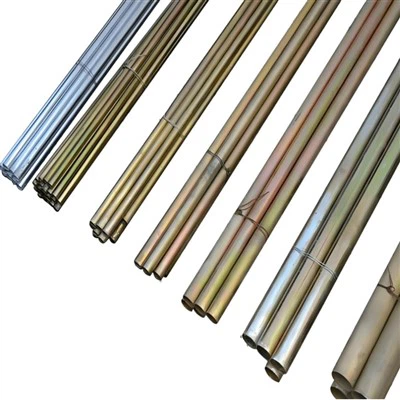
As a supplier of Flexible Conduit Junction Box, I also want to mention some related products. We also deal with Embedded Metal Conduit and JDG Conduit. These products also have their own recycling processes, but the general principles of collection, sorting, and recycling apply.
If you're in the market for new flexible conduit junction boxes or any of our other products, I'd love to have a chat with you. Whether you're a small - scale electrician or a large construction firm, we can provide high - quality products at competitive prices. Don't hesitate to reach out and start a discussion about your needs.
In conclusion, recycling flexible conduit junction boxes is not only good for the environment but also makes economic sense in the long run. By following these steps, you can ensure that your old boxes are recycled in the most efficient and responsible way possible.
References
- General knowledge about electrical component recycling
- Industry best practices for recycling flexible conduit junction boxes