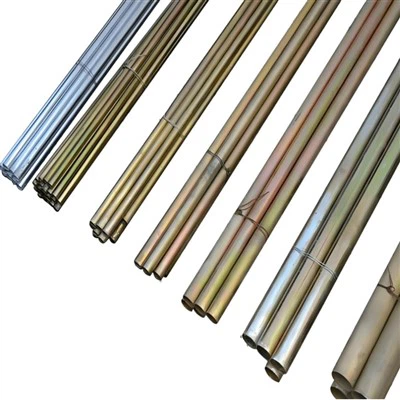
Galvanized steel cable trays are widely used in various industrial and commercial settings for cable management. One of the crucial aspects that often gets overlooked but is of significant importance is their anti - slip performance. As a supplier of galvanized steel cable trays, I understand the significance of this feature and its impact on the safety and functionality of cable management systems.
Understanding Anti - Slip Performance
Anti - slip performance refers to the ability of a surface to prevent slipping when a load or a person comes in contact with it. In the context of galvanized steel cable trays, this is essential for several reasons. Firstly, maintenance personnel may need to walk on the cable trays during installation, inspection, or repair work. A tray with poor anti - slip performance can pose a serious safety hazard, increasing the risk of falls and injuries. Secondly, during the transportation of heavy equipment or materials near the cable trays, there is a chance of accidental contact. An anti - slip surface can prevent the equipment from sliding off the tray and causing damage to the cables or other components.
Factors Affecting Anti - Slip Performance
Surface Texture
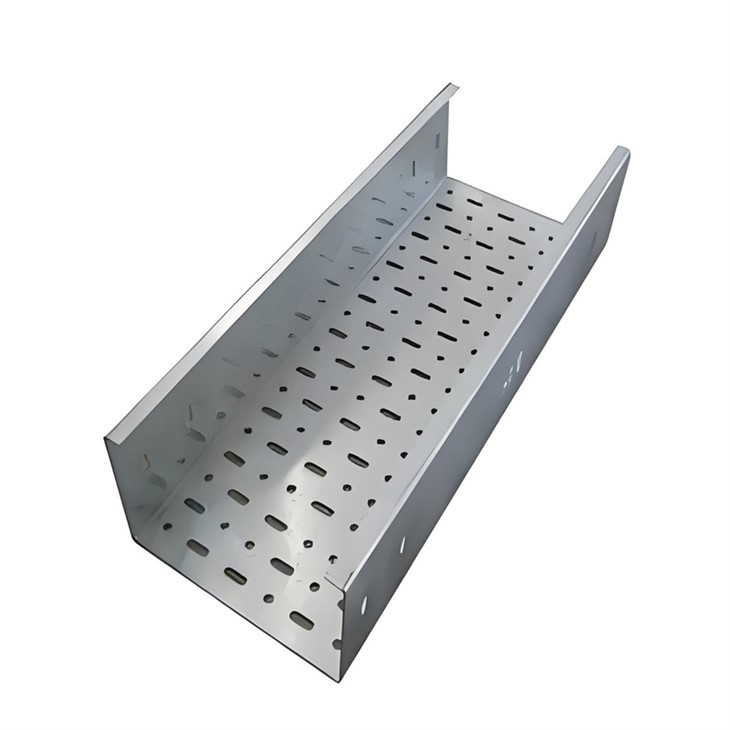
The surface texture of the galvanized steel cable tray plays a vital role in its anti - slip performance. A smooth surface is more likely to be slippery, especially when it comes into contact with oil, water, or dust. To enhance the anti - slip properties, manufacturers often use various techniques to create a rough surface. For example, some cable trays are fabricated with a ribbed or dimpled surface. These patterns increase the friction between the surface and the object or person in contact, reducing the likelihood of slipping.
Galvanization Process
The galvanization process itself can also influence the anti - slip performance. Hot - dip galvanization, which is a common method for coating steel cable trays, creates a thick and durable zinc layer on the surface. This layer not only provides corrosion resistance but can also affect the surface texture. A well - galvanized surface may have a slightly rough finish, which can contribute to better anti - slip characteristics. However, if the galvanization process is not properly controlled, it may result in a smooth and shiny surface that offers less friction.
Environmental Conditions
The environment in which the cable tray is installed can have a significant impact on its anti - slip performance. In wet or humid conditions, such as in outdoor or underground installations, the surface of the cable tray may become wet, reducing the friction. Similarly, in industrial settings where there is a presence of oil, grease, or chemicals, the surface can become slippery. Therefore, it is important to consider the environmental conditions when selecting a cable tray with appropriate anti - slip features.
Testing Anti - Slip Performance
To ensure the safety and reliability of galvanized steel cable trays, it is necessary to test their anti - slip performance. There are several standardized tests available, such as the Coefficient of Friction (COF) test. This test measures the ratio of the force required to move an object across the surface of the cable tray to the normal force pressing the object against the surface. A higher COF value indicates better anti - slip performance.
Another test method is the Pendulum Test. In this test, a pendulum with a rubber slider is swung across the surface of the cable tray. The energy loss of the pendulum is measured, and based on this, the anti - slip rating of the surface is determined. These tests help manufacturers to evaluate the anti - slip properties of their products and make necessary improvements.
Importance of Anti - Slip Performance in Different Applications
Industrial Facilities
In industrial facilities, such as factories and power plants, cable trays are often installed in areas where there is a high volume of foot traffic and heavy equipment movement. Workers may need to access the cable trays for maintenance and inspection purposes. A cable tray with good anti - slip performance can prevent accidents and ensure the safety of the workers. Additionally, in industrial environments where there may be spills of oil or chemicals, an anti - slip surface can prevent the equipment from sliding and causing damage to the cables.

Commercial Buildings
In commercial buildings, such as offices and shopping malls, cable trays are used for managing the electrical and communication cables. Although the foot traffic on the cable trays may be less frequent compared to industrial facilities, safety is still a concern. In case of emergency maintenance or during construction work, workers may need to walk on the cable trays. An anti - slip cable tray can provide a safe working environment and reduce the risk of injuries.
Comparing with Other Types of Cable Trays
When considering cable trays, it is also important to compare the anti - slip performance of galvanized steel cable trays with other types. For example, Stainless Steel Wire Mesh Cable Tray has a different structure and surface texture compared to galvanized steel cable trays. The wire mesh design may offer some natural ventilation and visibility but may not provide the same level of anti - slip performance as a solid - surface galvanized tray.
On the other hand, Solid Bottom Type Cable Tray can have excellent anti - slip properties if it is designed with the right surface texture. The solid bottom provides a larger contact area, which can enhance the friction. However, it may be more prone to collecting dust and debris, which can affect the anti - slip performance over time.
Weather - Resistant Cable Tray is often used in outdoor applications. These trays need to withstand various weather conditions, including rain, snow, and sunlight. Their anti - slip performance is crucial, especially in wet conditions. Galvanized steel cable trays can be a good option for weather - resistant applications due to their corrosion resistance and the potential for good anti - slip properties.
Ensuring Long - Term Anti - Slip Performance
To ensure the long - term anti - slip performance of galvanized steel cable trays, proper maintenance is essential. Regular cleaning of the cable trays can remove dirt, oil, and other contaminants that may reduce the friction. In addition, periodic inspections should be carried out to check for any signs of wear or damage to the surface. If the anti - slip properties are found to be deteriorating, appropriate measures can be taken, such as applying an anti - slip coating.
Conclusion
The anti - slip performance of galvanized steel cable trays is a critical factor that should not be overlooked. It is essential for ensuring the safety of workers and the protection of cables and equipment. By understanding the factors that affect anti - slip performance, such as surface texture, galvanization process, and environmental conditions, and by using appropriate testing methods, manufacturers can produce high - quality cable trays with excellent anti - slip properties.
As a supplier of galvanized steel cable trays, we are committed to providing products that meet the highest standards of safety and performance. Our cable trays are designed with the latest technologies to ensure optimal anti - slip characteristics. If you are in need of reliable cable management solutions, we invite you to contact us for procurement and further discussions. We look forward to serving your needs and helping you create a safe and efficient cable management system.
References
- ASTM International. (20XX). Standard test methods for measuring the coefficient of friction of slippery surfaces.
- National Fire Protection Association. (20XX). Electrical safety standards for industrial and commercial buildings.
- Manufacturer's guidelines on cable tray installation and maintenance.