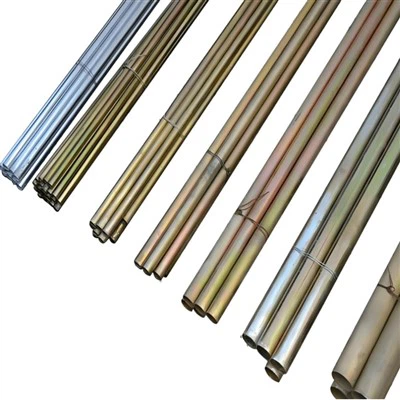
Hey there! As a supplier of Weather-Resistant Cable Tray, I've seen firsthand how crucial it is to ensure that cable trays can withstand the elements. In this blog post, I'll share some tips on how to test the weather resistance of a cable tray.
Why Weather Resistance Matters
Before we dive into the testing methods, let's talk about why weather resistance is so important for cable trays. Cable trays are used to support and organize electrical cables in a variety of environments, including outdoor and industrial settings. If a cable tray isn't weather-resistant, it can rust, corrode, or deteriorate over time, which can lead to cable damage and even electrical failures.
In addition to protecting the cables, weather-resistant cable trays also help to extend the lifespan of the entire electrical system. By investing in high-quality, weather-resistant cable trays, you can save money on maintenance and replacement costs in the long run.
Types of Weather Conditions to Consider
When testing the weather resistance of a cable tray, it's important to consider the specific weather conditions that the tray will be exposed to. Here are some of the most common weather conditions that can affect cable trays:


- Rain and Moisture: Exposure to rain and moisture can cause rust and corrosion on metal cable trays. It can also lead to the growth of mold and mildew, which can damage the cables.
- Sunlight and UV Rays: Prolonged exposure to sunlight and UV rays can cause the plastic or fiberglass components of a cable tray to become brittle and crack. This can weaken the tray and make it more susceptible to damage.
- Extreme Temperatures: Extreme temperatures, both hot and cold, can cause the materials in a cable tray to expand and contract. This can lead to warping, cracking, and other forms of damage.
- Wind and Snow: High winds and heavy snow can put stress on cable trays, especially if they are not properly installed or supported. This can cause the trays to bend, break, or collapse.
Testing Methods
Now that we've discussed the importance of weather resistance and the types of weather conditions to consider, let's take a look at some of the testing methods that can be used to evaluate the weather resistance of a cable tray.
Salt Spray Test
The salt spray test is a common method for testing the corrosion resistance of metal cable trays. In this test, the cable tray is placed in a chamber and exposed to a saltwater mist for a specified period of time. The saltwater mist simulates the effects of exposure to saltwater or other corrosive environments.
After the test is complete, the cable tray is inspected for signs of corrosion, such as rust or pitting. The results of the test can be used to determine the effectiveness of the tray's corrosion protection coating.
UV Exposure Test
The UV exposure test is used to evaluate the resistance of plastic or fiberglass cable trays to sunlight and UV rays. In this test, the cable tray is placed in a chamber and exposed to a high-intensity UV light for a specified period of time. The UV light simulates the effects of prolonged exposure to sunlight.
After the test is complete, the cable tray is inspected for signs of damage, such as cracking, fading, or embrittlement. The results of the test can be used to determine the durability of the tray's UV protection coating.
Temperature Cycling Test
The temperature cycling test is used to evaluate the ability of a cable tray to withstand extreme temperatures. In this test, the cable tray is placed in a chamber and subjected to a series of temperature cycles, ranging from high to low temperatures. The temperature cycles simulate the effects of exposure to extreme temperature changes.
After the test is complete, the cable tray is inspected for signs of damage, such as warping, cracking, or delamination. The results of the test can be used to determine the thermal stability of the tray's materials.
Wind and Snow Load Test
The wind and snow load test is used to evaluate the structural integrity of a cable tray under high winds and heavy snow. In this test, the cable tray is placed in a chamber and subjected to a simulated wind or snow load. The load is gradually increased until the tray fails or reaches its maximum capacity.
After the test is complete, the cable tray is inspected for signs of damage, such as bending, breaking, or collapse. The results of the test can be used to determine the strength and stability of the tray's design.
Factors to Consider When Choosing a Weather-Resistant Cable Tray
In addition to testing the weather resistance of a cable tray, there are several other factors to consider when choosing a weather-resistant cable tray. Here are some of the most important factors:
- Material: The material of the cable tray is one of the most important factors to consider. Metal cable trays, such as Galvanized Steel Cable Tray, are generally more durable and weather-resistant than plastic or fiberglass cable trays. However, they are also heavier and more expensive.
- Coating: The coating of the cable tray can also affect its weather resistance. A high-quality corrosion protection coating, such as Industrial Enamel Paint for Metal, can help to prevent rust and corrosion on metal cable trays. A UV protection coating can help to prevent damage from sunlight and UV rays on plastic or fiberglass cable trays.
- Design: The design of the cable tray can also affect its weather resistance. A well-designed cable tray should be able to drain water and prevent the accumulation of snow and ice. It should also be able to withstand high winds and heavy snow loads without bending or breaking.
- Installation: The installation of the cable tray is also important. A properly installed cable tray should be securely fastened to the support structure and should be level and plumb. It should also be installed in a location that is protected from the elements as much as possible.
Conclusion
Testing the weather resistance of a cable tray is an important step in ensuring the safety and reliability of your electrical system. By using the testing methods outlined in this blog post and considering the factors discussed, you can choose a weather-resistant cable tray that will provide long-lasting performance in even the most challenging environments.
If you're in the market for a weather-resistant cable tray, I encourage you to contact us to learn more about our products and services. We offer a wide range of high-quality cable trays that are designed to withstand the elements and provide reliable performance. Let's work together to find the perfect solution for your needs.
References
- ASTM International. (2023). Standard Test Methods for Salt Spray (Fog) Testing. ASTM B117-22.
- ASTM International. (2023). Standard Practice for Operating Fluorescent Ultraviolet (UV) Lamp Apparatus for Exposure of Nonmetallic Materials. ASTM G154-22.
- ASTM International. (2023). Standard Test Method for Thermal Cycling of Unfilled and Reinforced Plastics and Electrical Insulating Materials. ASTM D618-18.
- ASCE. (2016). Minimum Design Loads and Associated Criteria for Buildings and Other Structures. ASCE/SEI 7-16.