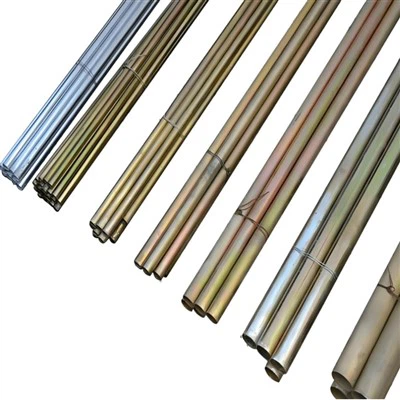
Hey there! As an embedded metal conduit supplier, I've seen my fair share of installation projects in tunnels. Installing embedded metal conduit in a tunnel isn't a walk in the park, but with the right know - how, it can be done smoothly. In this blog, I'll share with you the steps and tips on how to install embedded metal conduit in a tunnel.
1. Planning and Preparation
Before you even think about getting your hands dirty, proper planning is crucial. First off, you need to conduct a detailed site survey of the tunnel. Check out the layout, the length of the tunnel, and any existing infrastructure that might get in the way. You also need to figure out the exact route where the conduit will be installed. This involves marking the path on the tunnel walls or floor, depending on your design.
Another important aspect of planning is to determine the quantity and type of conduit you'll need. We offer a variety of conduits, like the Socket Type Tight - fitting Galvanized Steel Conduit, which is great for its durability and tight - fitting design. The JDG Conduit is also a popular choice due to its ease of installation and corrosion resistance. And if you're looking for something a bit different, the Heavy Duty Rigid Pvc Conduit can be a good option for certain applications.
Once you've got the type and quantity sorted, gather all the necessary tools. You'll need things like drills, saws, measuring tapes, and clamps. Safety equipment is non - negotiable. Make sure you have hard hats, safety glasses, gloves, and high - visibility vests for everyone on the team.
2. Surface Preparation
The surface where the conduit will be installed needs to be prepped. If it's the tunnel wall, you've got to clean it thoroughly. Remove any dirt, dust, and loose debris. Use a wire brush or a high - pressure air blower to get the job done.
For the floor installation, check for any unevenness. If there are bumps or dips, level them out. You might need to use a concrete grinder or some patching material to make the surface flat. This is important because a smooth surface ensures that the conduit fits properly and is securely attached.
3. Conduit Cutting and Assembly
Now it's time to cut the conduit to the right length. Use a proper conduit cutter or a hacksaw. Make sure your cuts are clean and straight. Once you've got the pieces cut, start the assembly process. If you're using the socket - type conduits, simply insert one end of the conduit into the socket of another piece. Make sure it fits snugly.
For other types of conduits, you may need to use couplings. Apply some lubricant to the coupling and the conduit ends to make the insertion easier. Tighten the couplings firmly to prevent any leakage or movement later on.
4. Mounting the Conduit
There are different methods to mount the conduit in the tunnel. One common way is using clamps. Drill holes in the tunnel surface at the marked positions. Insert the appropriate wall plugs into the holes. Then, use the clamps to secure the conduit to the wall or floor. Make sure the clamps are tightened enough to hold the conduit in place, but not so tight that they damage it.
Another option is using brackets. Similar to the clamps, brackets are attached to the tunnel surface first. Then the conduit is placed inside the brackets and fastened. Make sure to space the brackets or clamps evenly along the length of the conduit to provide uniform support.
5. Electrical Installation Considerations
If the conduit is for electrical wiring, there are some additional steps to take. First, ensure that the conduit is properly grounded. Connect a grounding wire to the conduit at regular intervals. This helps to protect against electrical shocks and short - circuits.


When pulling the wires through the conduit, use a fish tape or a pulling rope. Lubricate the inside of the conduit to reduce friction and make the pulling easier. Take your time to avoid kinking or damaging the wires.
6. Testing and Inspection
Once the installation is complete, it's time for testing and inspection. Check the tightness of all the connections. Make sure there are no loose clamps or couplings. Inspect the conduit for any signs of damage, such as cracks or dents.
If it's an electrical conduit, test the electrical continuity. Use a multimeter to check if the wires are properly connected and there are no breaks. Also, perform a leak test if the conduit is supposed to be watertight. Look for any signs of water ingress.
7. Maintenance and After - care
After the successful installation, it's important to have a maintenance plan in place. Regularly inspect the conduit for corrosion, wear, and tear. In a tunnel environment, there might be exposure to moisture, chemicals, or vibrations, which can affect the conduit over time.
If you notice any issues, address them promptly. Replace any damaged parts or tighten loose connections. This will ensure the long - term performance and reliability of the embedded metal conduit.
Conclusion
Installing embedded metal conduit in a tunnel is a multi - step process that requires careful planning, proper execution, and thorough testing. Whether you choose our Socket Type Tight - fitting Galvanized Steel Conduit, JDG Conduit, or Heavy Duty Rigid Pvc Conduit, we've got you covered with high - quality products.
If you're interested in purchasing our embedded metal conduits for your tunnel project or have any questions about the installation process, don't hesitate to reach out. I'm here to help you make the right decisions and get your project off to a great start.
References
- Electrical Installation Handbook, Schneider Electric
- National Electrical Code (NEC)
- Building Construction and Design Standards for Tunnels