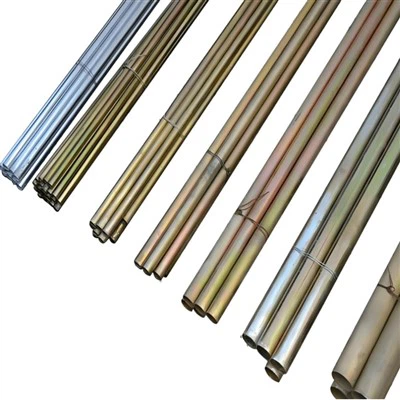
Hey there! As a KBG Conduit supplier, I've seen firsthand how crucial it is to choose the right size of KBG Conduit for your electrical projects. It's not just about making things look neat; it's about ensuring safety, efficiency, and compliance with electrical codes. So, let's dive into how you can pick the perfect size for your needs.
Understanding KBG Conduit
First off, what is KBG Conduit? It's a kind of thin - walled steel conduit that's widely used in electrical installations. It's easy to install, offers good protection for electrical wires, and is corrosion - resistant. Whether you're working on a small DIY project at home or a large commercial building, KBG Conduit can be a great choice.
Now, there are other types of conduits out there too. For instance, you might come across Surface Mounted Metal Conduit or Electrical Flexible Metal Conduit. And then there's JDG Conduit. Each has its own features and uses, but today we're focused on KBG Conduit sizing.
Factors to Consider When Choosing KBG Conduit Size
Number and Size of Wires
The most obvious factor is the number and size of the wires you're going to run through the conduit. You can't just cram a whole bunch of thick wires into a tiny conduit. Electrical codes specify how much space the wires should have inside the conduit. As a general rule, the total cross - sectional area of the wires should not exceed 40% of the internal cross - sectional area of the conduit.
Let's say you're using a bunch of small 14 - gauge wires. You'll need a different size conduit compared to if you're using larger 8 - gauge wires. You can find wire gauge charts that show the cross - sectional area of different wire sizes. Once you know the area of each wire, add them up and then look for a conduit size that can accommodate that total area within the 40% limit.
Future Expansion
Think about the future. Are you planning to add more wires to the conduit later on? If so, it's a good idea to choose a slightly larger size now. It's a lot easier and cheaper to install a bigger conduit from the start than to have to tear out the existing one and replace it when you need to add more wires.
Bends and Turns
If your conduit run has a lot of bends and turns, you'll need a larger size. Wires have a harder time going through bends, and a smaller conduit can make it even more difficult. The more bends you have, the more resistance the wires will face when being pulled through. Electrical codes usually limit the number of bends in a conduit run, and if you exceed that limit, you'll definitely need a larger conduit to ensure the wires can be installed properly.
Installation Environment
The environment where the conduit will be installed also matters. If it's in a high - temperature area, the wires may expand, so you might need a larger conduit to account for that expansion. Similarly, if the area is prone to vibrations or mechanical stress, a larger conduit can provide more protection for the wires.
How to Determine the Right Size
Use Conduit Fill Tables
Conduit fill tables are your best friend when it comes to choosing the right size. These tables are available in electrical code books or online. They list different conduit sizes and the maximum number and size of wires that can be installed in each. All you need to do is find the table for KBG Conduit, note down the size and number of your wires, and then look for the conduit size that meets the requirements.
Consult an Electrician
If you're still not sure, it's always a good idea to consult a professional electrician. They have experience with different types of electrical installations and can give you expert advice on the right conduit size for your project. They can also make sure that your choice complies with local electrical codes.
Common Mistakes to Avoid
Choosing Too Small a Conduit
One of the biggest mistakes is choosing a conduit that's too small. This can lead to overheating of the wires because there's not enough space for proper ventilation. It can also make it difficult to pull the wires through, which can damage the wires during installation. And if you ever need to add more wires, you'll be in a real bind.


Ignoring Electrical Codes
Electrical codes are there for a reason. They ensure the safety of the electrical installation. Ignoring these codes can result in fines, failed inspections, and most importantly, a dangerous electrical system. Always make sure your choice of conduit size complies with the relevant codes.
Conclusion
Choosing the right size of KBG Conduit is a critical step in any electrical project. By considering factors like the number and size of wires, future expansion, bends and turns, and the installation environment, and by using conduit fill tables or consulting an electrician, you can make an informed decision.
If you're in the market for KBG Conduit and need help with sizing or have any other questions, don't hesitate to reach out. We're here to assist you in getting the right product for your project. Whether it's a small - scale job or a large commercial installation, we've got the expertise and the products to meet your needs. Contact us to start the procurement discussion and get the best KBG Conduit for your electrical work.
References
- National Electrical Code (NEC)
- Electrical Installation Manuals